
25 Best Classic PC Games You Can Still Play Today
With more than 25 years of experience playing computer games, I decided to put together the ultimate list of the 25 best classic PC games you can still play today. I used several criteria for this list, not just popularity, but also the impact these games had on the industry, and the gaming nostalgia they bring to players. I've spent dozens of hours on each of them, and every time I think of these titles, I remember them with pure joy.
Of course, we were young, times were different, but the fact is that these games were a huge part of the childhood of an entire generation. I made this classic pc games list to give you a nice flashback to the good old days. To inspire you to revisit classic computer games that still hold up. And to offer my tribute to the millions of people who will see the best time of their lives reflected in these games.
- Classic PC Games List
- Disney's Aladdin
- Doom 2
- Jazz Jackrabbit
- Rayman
- Duke Nukem 3D
- Heroes of Might and Magic 2
- Quake
- FIFA Road to World Cup 98
- Commandos Behind Enemy Lines
- StarCraft
- Half-Life
- Heroes of Might and Magic 3
- Crazy Taxi
- Age of Empires 2
- Worms Armageddon
- Diablo 2
- The Sims
- Harry Potter and the Sorcerer's Stone
- Grand Theft Auto: Vice City
- Counter-Strike 1.6
- Max Payne 2
- Warcraft III: The Frozen Throne
- Fable
- World of Warcraft
- Need for Speed Most Wanted
- Criteria
- Honorable Mentions
- FAQ
List of the 25 Best Classic PC Games
| # | Game Title | Release Date | Publisher | Genre |
|---|---|---|---|---|
| 1 | Disney's Aladdin | November 1993 | Virgin Interactive | Platformer |
| 2 | Doom II: Hell on Earth | October 1994 | id Software | First-person shooter |
| 3 | Jazz Jackrabbit | August 1994 | Epic MegaGames | Platformer |
| 4 | Rayman | September 1995 | Ubisoft | Platformer |
| 5 | Duke Nukem 3D | January 1996 | GT Interactive | First-person shooter |
| 6 | Heroes of Might and Magic II | November 1996 | The 3DO Company | Turn-based strategy |
| 7 | Quake | June 1996 | GT Interactive | First-person shooter |
| 8 | FIFA: Road to World Cup 98 | June 1997 | EA Sports | Sports (Football) |
| 9 | Commandos: Behind Enemy Lines | October 1998 | Eidos Interactive | Real-time tactics |
| 10 | StarCraft | March 1998 | Blizzard Entertainment | Real-time strategy |
| 11 | Half-Life | November 1998 | Sierra Studios | First-person shooter |
| 12 | Heroes of Might and Magic III | March 1999 | The 3DO Company | Turn-based strategy |
| 13 | Crazy Taxi | February 1999 | Sega | Racing |
| 14 | Age of Empires II: The Age of Kings | September 1999 | Microsoft | Real-time strategy |
| 15 | Worms Armageddon | May 1999 | Team17 | Turn-based strategy |
| 16 | Diablo II | June 2000 | Blizzard Entertainment | Action RPG |
| 17 | The Sims | February 2000 | Electronic Arts | Life simulation |
| 18 | Harry Potter and the Sorcerer's Stone | November 2001 | Electronic Arts | Action-adventure |
| 19 | Grand Theft Auto: Vice City | October 2002 | Rockstar Games | Action-adventure |
| 20 | Counter-Strike 1.6 | September 2003 | Valve | First-person shooter |
| 21 | Max Payne 2: The Fall of Max Payne | October 2003 | Rockstar Games | Third-person shooter |
| 22 | Warcraft III: The Frozen Throne | July 2003 | Blizzard Entertainment | Real-time strategy |
| 23 | Fable | September 2004 | Microsoft Game Studios | Action RPG |
| 24 | World of Warcraft | November 2004 | Blizzard Entertainment | MMORPG |
| 25 | Need for Speed: Most Wanted | November 2005 | Electronic Arts | Racing |
Disney's Aladdin – The Game That Proved PC Gaming Matters
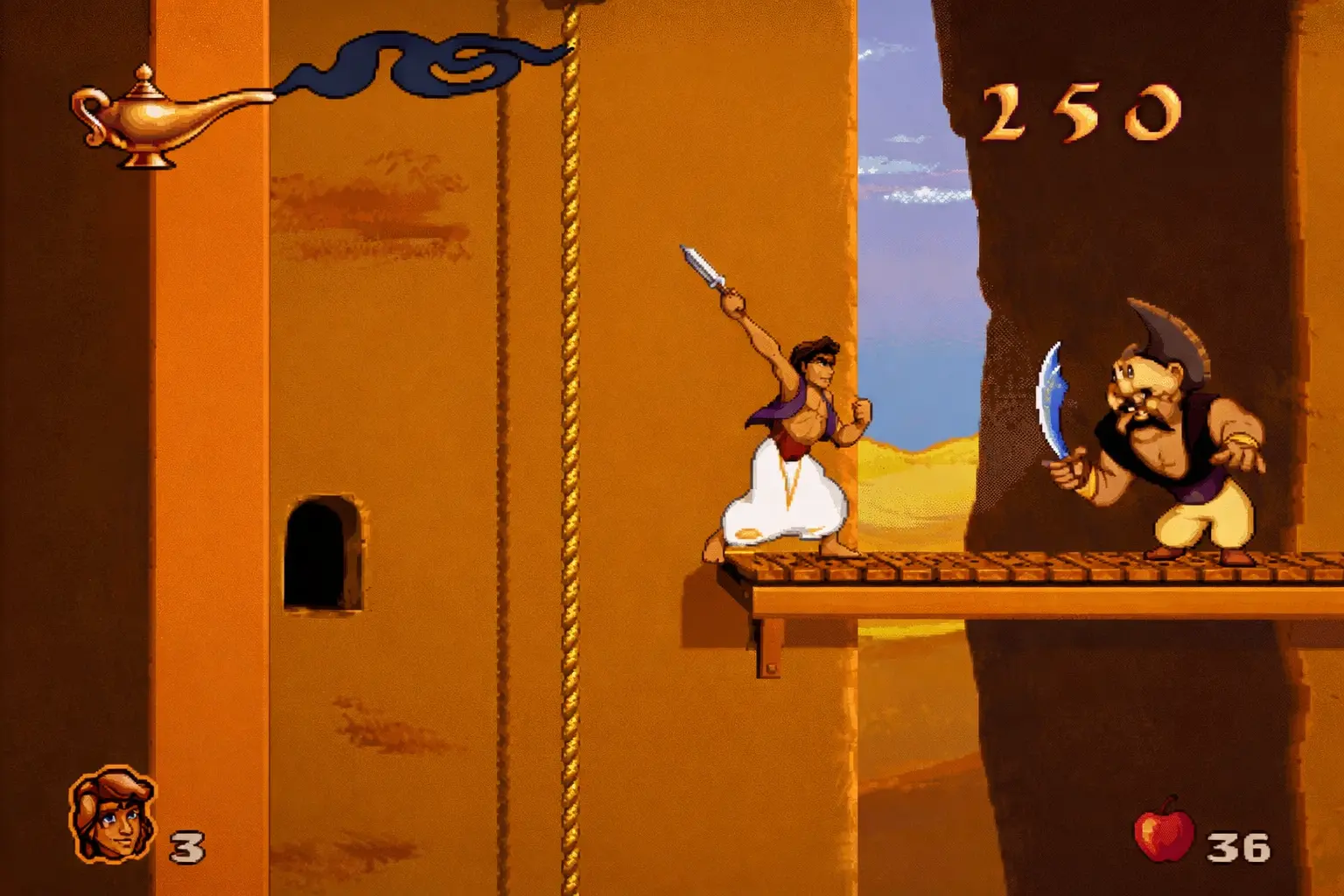
Can you believe Disney's Aladdin game is over 30 years old? I still remember how I got hooked on it the moment I saw it. Aladdin was every boy's favorite Disney character back then, and watching him run, jump, and fight his way through Agrabah was something else. Honestly, that alone was already enough for a great platformer.
This game showed people that PC gaming could deliver something exciting, something different. It helped electronic games break through to a bigger audience.
The gameplay was simple yet addictive. You play as Aladdin, throwing apples and swinging your sword while running through levels taken straight from the movie. There were traps, guards, crazy jumps, and even flying carpet rides. It also had bonus stages with Abu and Genie, which added a lot of charm.
One thing that stood out even more was how the game looked. Back in 1993, most games were blocky and stiff. But Aladdin video game? It was animated by real Disney artists, frame by frame. The team used a process called Digicel to turn hand-drawn animation into smooth in-game movement - something that felt almost magical back then.
Just to put things in perspective: this was a time when mobile phones were still a luxury item, and the internet was just starting to become a thing. Yet here we had a game that looked and moved like a cartoon. That's why it stood out. That's why it's still remembered today and why it hits that classic PC games nostalgia perfectly.
The best part is that you can still play it on your PC, or even on a PS5, thanks to the latest release of the Disney Classic Games Collection.
Doom 2 – The First Doom Game to Reach Stores
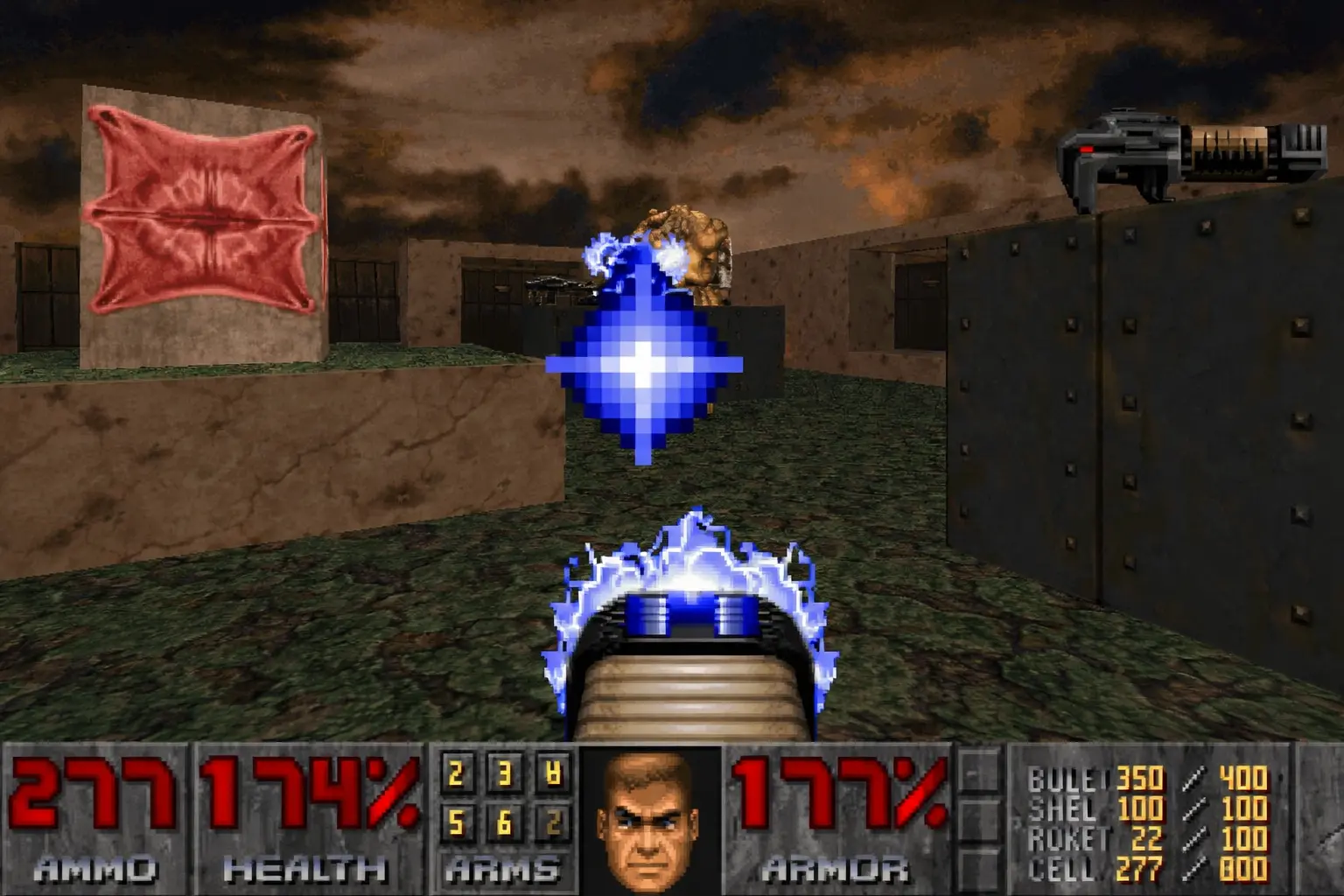
I'll never forget this one. Doom 2: Hell on Earth was one of those games that just burned itself into your memory. Everything about it was brutal: the enemies, the weapons, the nonstop action. It was the kind of shooter that didn't care about subtlety. You either survived or you didn't.
The game picks up right after the first Doom. You return to Earth and find it completely overrun by demons. Cities are wrecked, chaos is everywhere, and you're the last hope. There's no real dialogue, no long cutscenes, just level after level of fast, bloody combat. That was the beauty of it. Pure gameplay.
One of the big things about Doom 2 is that it was the first game in the series you could actually buy in stores. The original Doom came through mail order or as shareware, but this one was different. You walked into a shop and there it was on the shelf. For many players, this was their first real taste of Doom.
The reaction was huge. Everyone was playing it. Reviewers loved how it took what worked in the first game and cranked it up even further. In the U.S. alone, it sold over 1.8 million copies and made more than 70 million dollars. It even won a big industry award in 1994. But more than that, it became one of those games that helped define what a PC shooter could be. Considering Doom 2 among the best classic video games of all time is a no-brainer.
Doom 1 and 2 are available on Steam, remastered in 1080p and running at 60 FPS. They're also available on the PlayStation Store for console lovers.
Jazz Jackrabbit – The Game That Brought Console Speed to PC
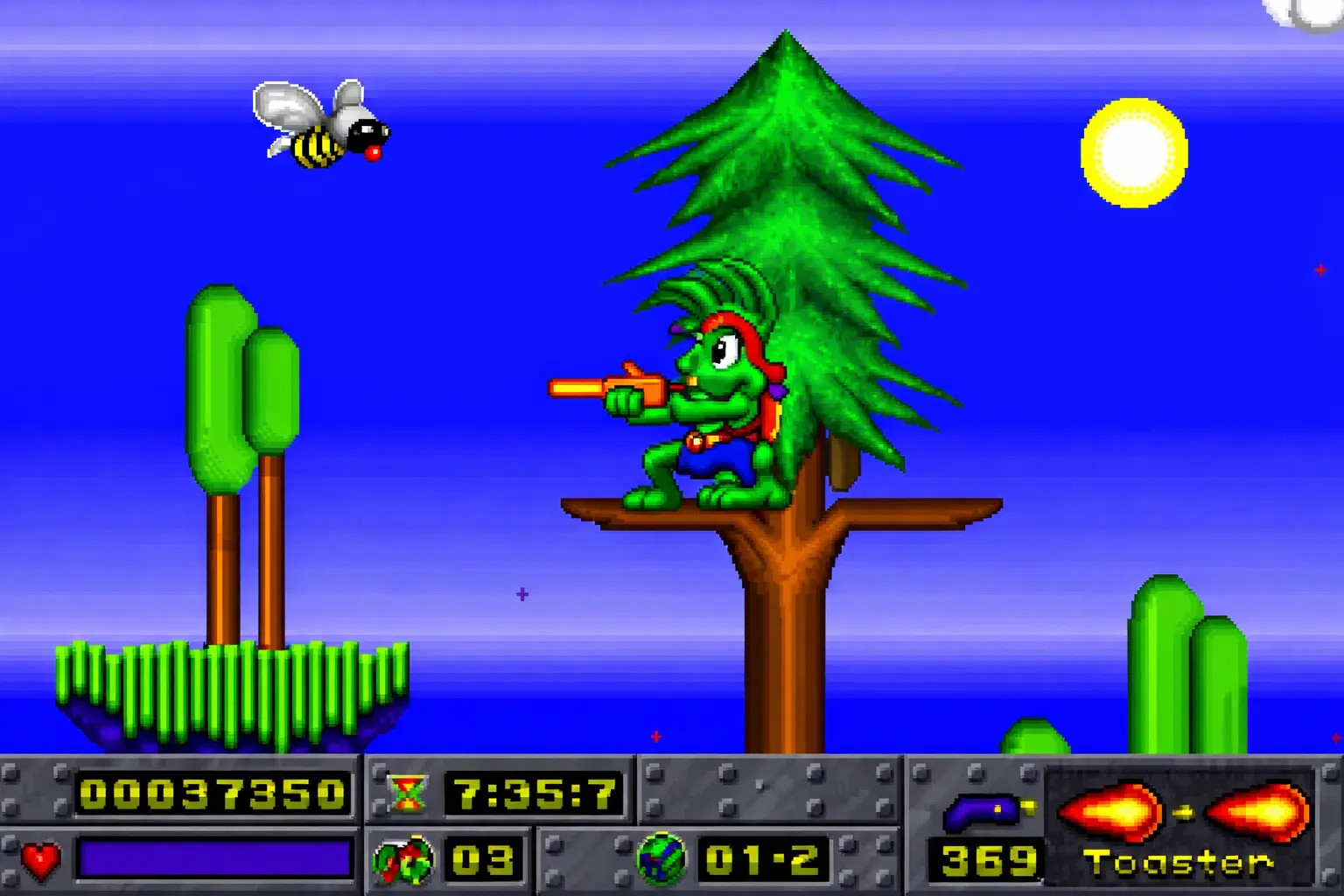
I don't know what hit me first - the speed, the music, or the fact that I was playing a rabbit with a blaster. Jazz Jackrabbit was chaos in the best way. At a time when most PC games felt slow or clunky, this thing just launched you into a world of neon colors and turbo movement.
The story? Classic '90s weird. Evil turtle kidnaps princess, and Jazz has to shoot and dash his way through alien planets to save her. The levels were wild: space stations, jungles, lava zones, whatever. All were crammed with enemies and pickups. The controls were tight, and the game just moved. Like, really moved. It felt like someone tried to build Sonic the Hedgehog inside a DOS machine and somehow nailed it.
And the music. You had this high-energy soundtrack blasting through your speakers, not beeps and bloops, but actual catchy tracks. You didn't skip a level because you wanted to hear the next tune. Also, those 3D bonus stages? At the time, they looked like magic.
Jazz Jackrabbit proved something important: that the PC could keep up with consoles when it came to speed and style. It wasn't just a good game, it was a statement. And for a lot of us, this classic game was the first time we saw a PC game that actually felt cool.
Rayman – When Classic PC Games Started Looking Like Art
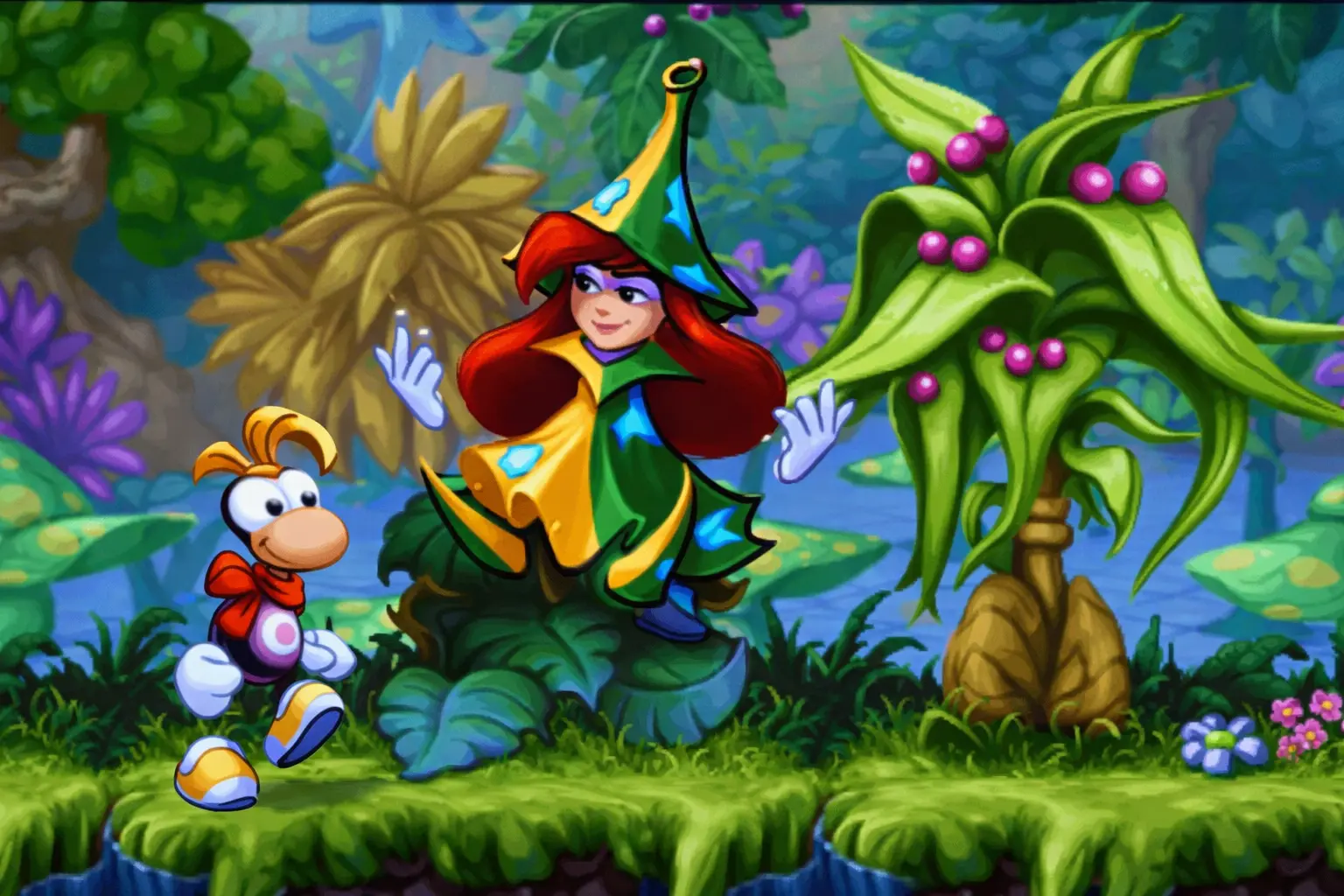
The first time I played Rayman, I was floored. It was a whole new world, a wild mix of vibrant colors and quirky characters that you couldn't help but fall in love with. Sure, I was a kid, but it felt like I was playing through a painting. Nothing else looked like it at the time.
The game was about Rayman, a hero with no limbs, running through whimsical worlds to defeat the evil Mr. Dark. Each level had its own unique vibe, from magical forests to crazy music lands, and it all felt alive in a way most other games didn't. The controls were on point, and even though the challenge was there, it was never unfair.
But the animation, that's what really sold it. You could see how much care went into each movement, each detail. The fluidity was something you just didn't see in other platformers. The amazing art is definitely what makes Rayman an all-time video gaming classic.
Duke Nukem 3D – The Perfect Mix of Pop-Culture and Alien Shooting
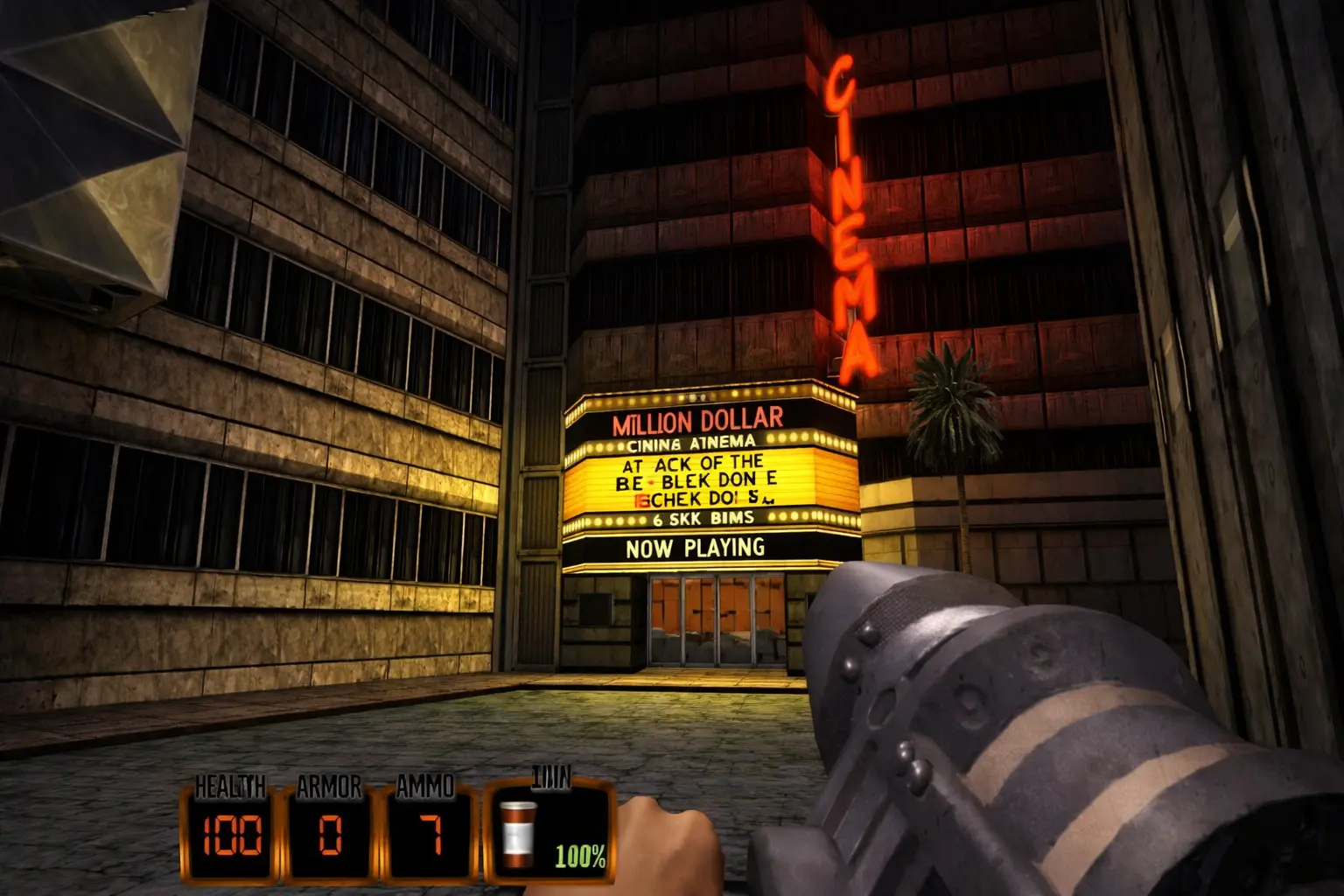
I could talk about Duke Nukem 3D for days. I played the whole thing back when I was a kid, probably way too young for it, to be honest. And somehow, all these years later, I ended up finishing the PlayStation version too. Full platinum, start to finish. That's more than 25 years between my first and most recent playthrough.
The story was simple but cool enough to carry you through. Duke comes back to Earth and finds out aliens have invaded and kidnapped all the women. That's it, you grab a shotgun and go to work. The levels took you through city streets, strip clubs, alien-infested space stations… all of it packed with little interactive details that were mind-blowing at the time.
The little things are what made Duke Nukem 3D so special. You could toss money at a dancer and she'd actually react. You'd walk past a mirror and see Duke's reflection. The vending machines worked. And let's not forget the one-liners. Duke's voice is burned into the memory of anyone who played games in the '90s. "It's time to kick ass and chew bubblegum… and I'm all outta gum." Classic.
From a technical side, it was ahead of its time. Vertical aiming, destructible environments, a level of freedom that most shooters back then didn't have. It influenced a ton of games that came after it, and for good reason.
Duke Nukem 3D is also among the top retro games available on ps5. If I had to list my top 3 classic PC games of all time, this one's locked in there. No question.
Heroes of Might and Magic 2 – The Worthy Ancestor
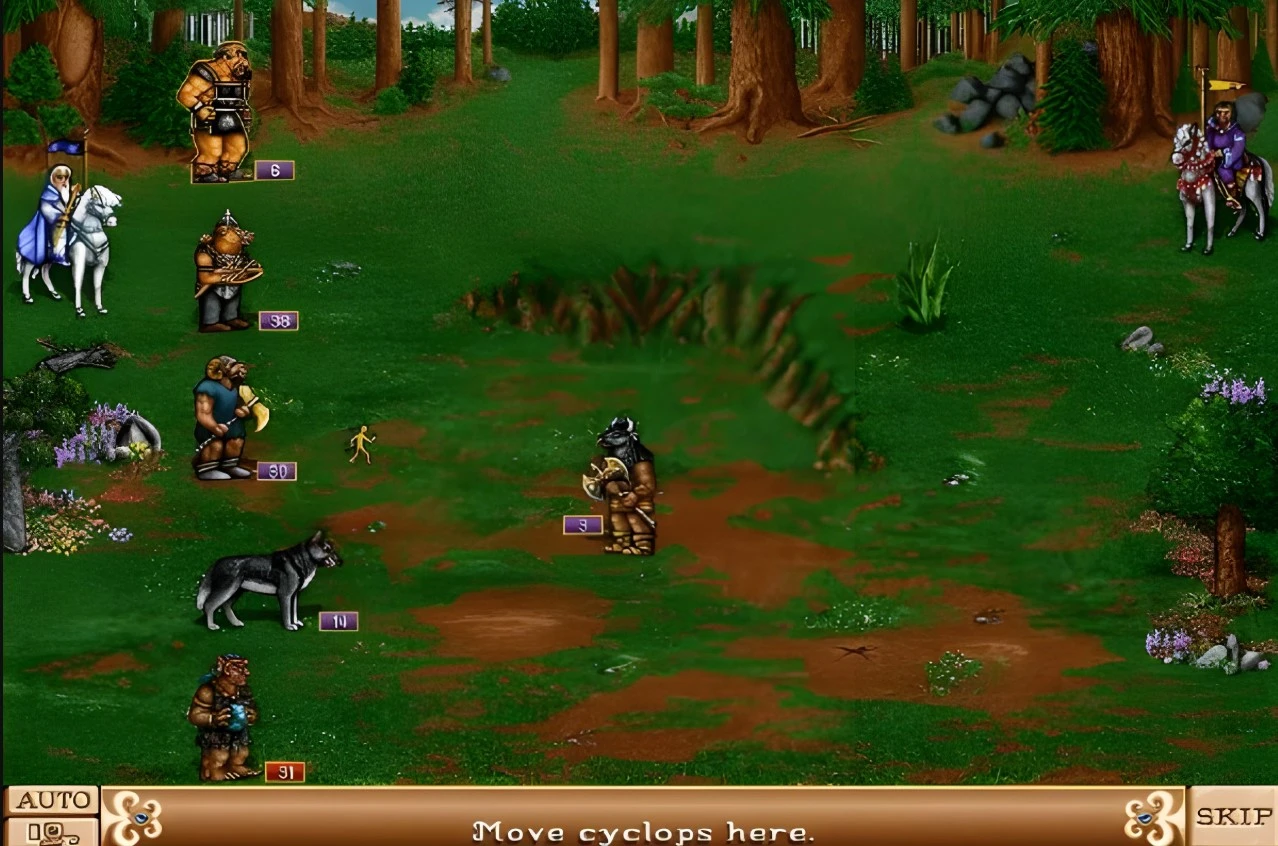
Imagine me in preschool, back in the late 90s. Life was simple - running outside, reading books, and hanging with family. Then Heroes of Might and Magic 2 dropped, and suddenly, I was in a world full of mythological creatures and castles. But this wasn't just something from a book. It was real. I led huge armies, built a kingdom, gathered resources, and made sure everything was running smoothly. It felt like my own little version of Narnia, except I didn't need a wardrobe. I had my computer.
What Heroes of Might and Magic 2 did that was so great was take the original game and just crank it up. It introduced six different factions, each with its own unique abilities. Every time you played, it felt different. They overhauled the spell system, too, so battles weren't just about bashing things with your strongest unit. Strategy mattered now. Maps were bigger, battles more intense, and it all came together to make a much more immersive experience.
Fans loved it, and critics didn't hold back either. PC Gamer called it one of the best PC games of all time, and it earned a place in the Computer Gaming World Hall of Fame. The expansion, The Price of Loyalty, just made everything better with new campaigns that kept us hooked for more.
Quake – One of the Best Classic 3D First-Person Shooters
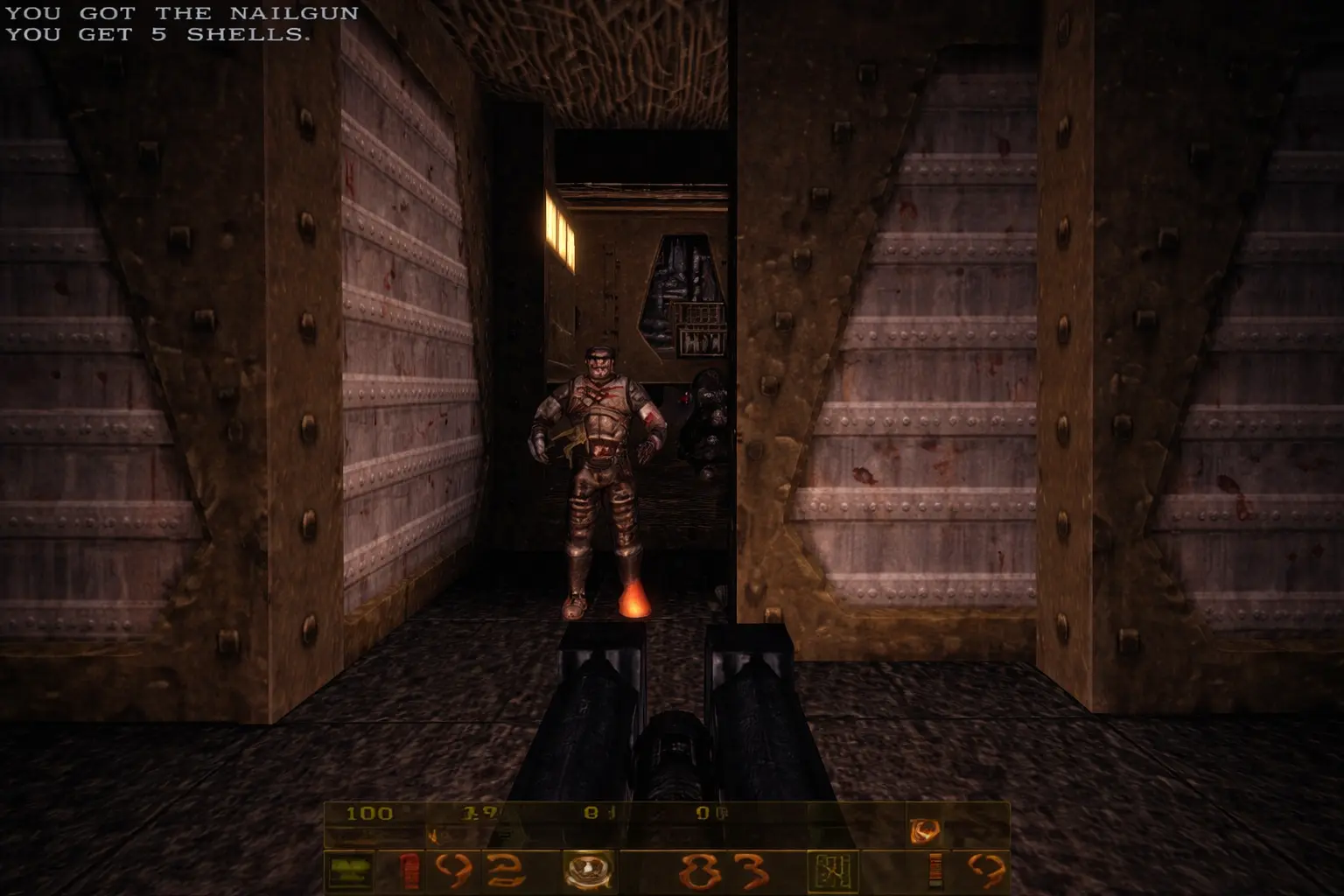
Quake was a game-changer. It pushed the FPS genre into 3D and did it right. The gameplay was smooth, fast, and brutal. The action felt relentless, and the atmosphere pulled you right in. No other game had done it like this before.
Then there was the multiplayer. It was one of the first to offer online deathmatches that were actually fun. The weapons, the levels, the speed, all of it kept you coming back for more. Quake set the foundation for everything that came after it, and it hasn't been the same since.
FIFA Road to World Cup 98 – A Leap Forward in Soccer Gaming
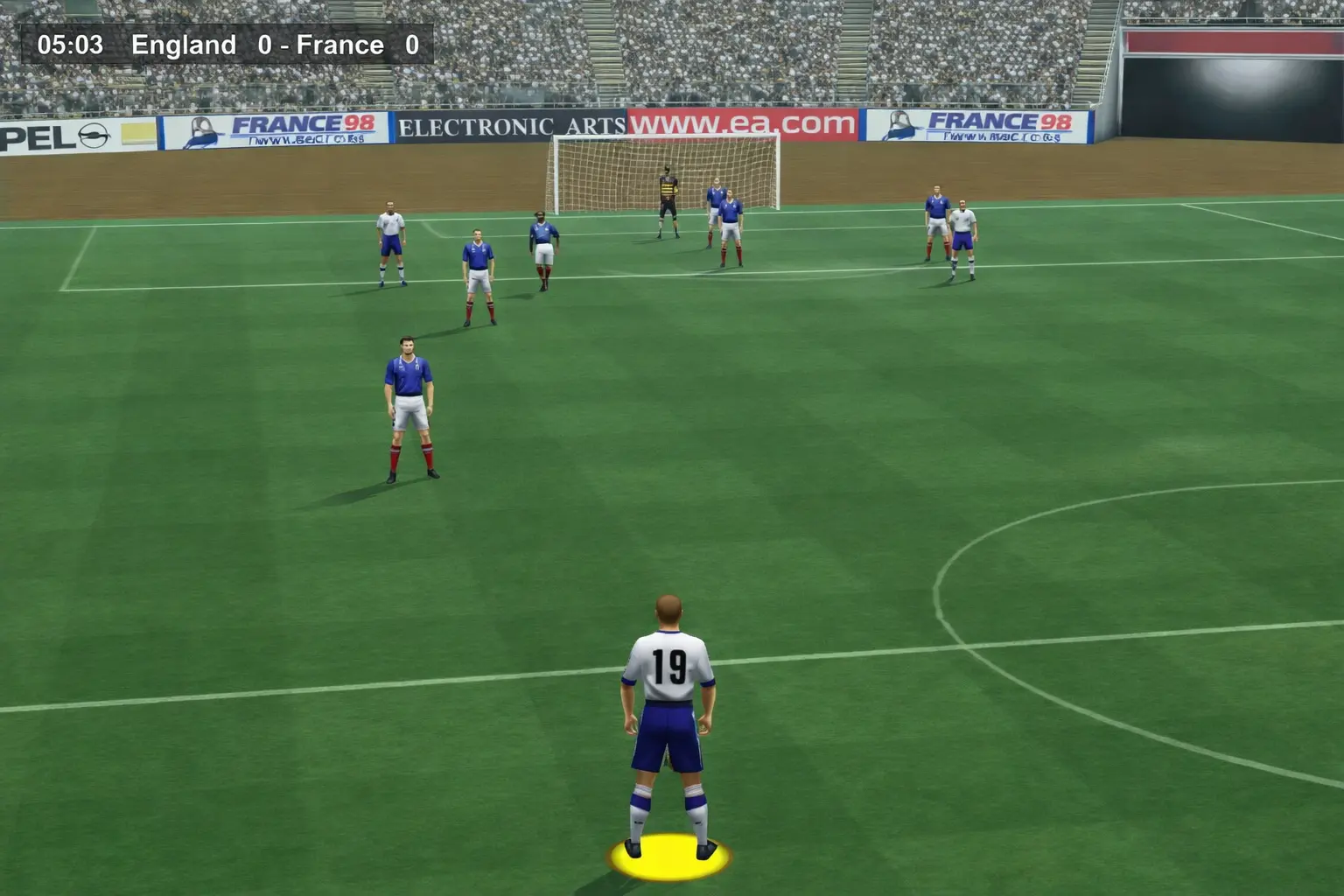
FIFA 98 is the game that showed how much fun playing with a friend could be. One of you using the keyboard and the other on the mouse. It felt perfect back then. Looking back now, though, it sounds like a total nightmare.
This was the first FIFA game to bring 3D graphics to the table. That made all the difference. It wasn't just a step up. It was a complete game-changer. The game felt so much more alive and intense because the graphics were so much better than what we had before. You could almost feel the crowd cheering.
And the gameplay? It was another big leap. The AI was sharper, the controls felt more natural. The physics? They made the ball behave in ways that felt realistic. The game had finally hit its stride. It became the most authentic soccer game out there, without a doubt. For me, it'll always be the turning point for the series.
Commandos Behind Enemy Lines – The Best Tactical Experience
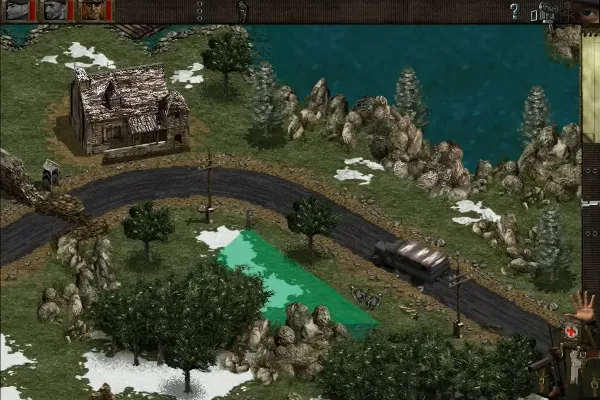
Commandos Behind Enemy Lines wasn't the kind of game everyone jumped into. It didn't hold your hand, and it definitely didn't forgive mistakes. You had to stop and think, plan ahead, take it slow. The AI could be brutal. One wrong move and the whole mission was done. But if you stuck with it, if you figured it out, the payoff was worth it. It felt good to beat this game.
Set during World War II, you led a small group of commandos, each with their own unique skill set. The goal wasn't just to win battles but to plan every step. One would sneak in, another would distract, and the rest? They'd be waiting for their moment to strike. Every move had to be precise.
The graphics weren't anything groundbreaking, but the real draw was how the game made you think. The levels felt like chessboards. Each enemy was a piece you had to outmaneuver. It wasn't about brute force, it was about being smart. Every mission made you feel like a general, carefully planning your next move.
StarCraft – RTS That Made Every Race Feel Different
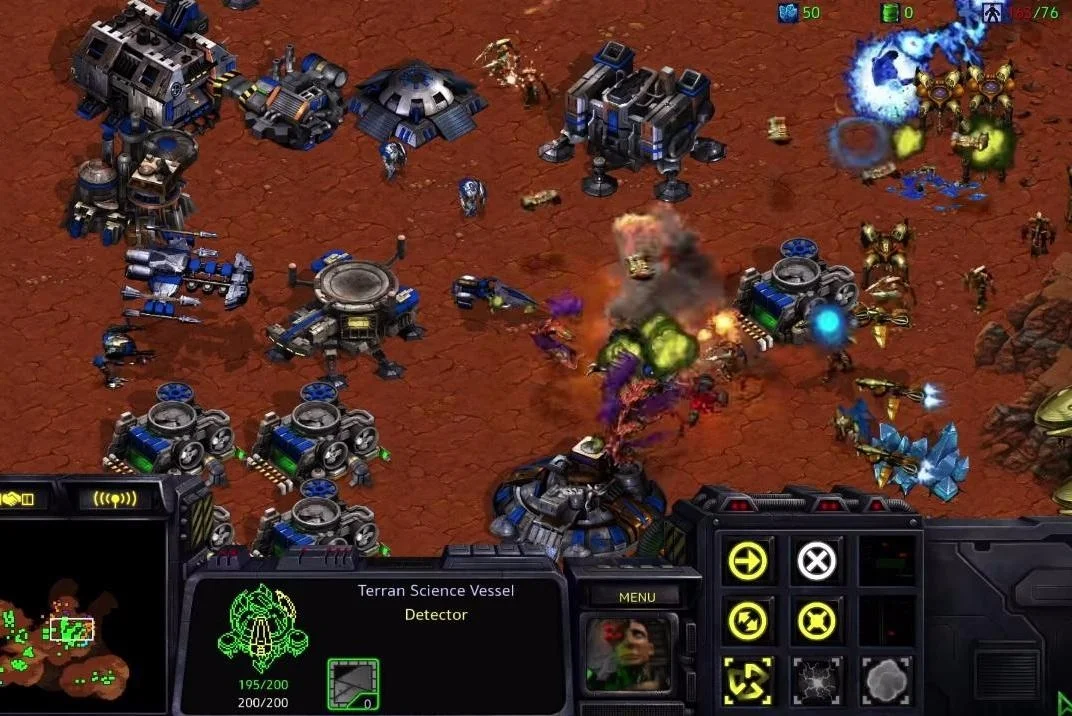
StarCraft pulled me in straight away. I still remember sitting in front of the PC, trying to build faster and survive longer, while every match against the computer on Expert felt like a real struggle. And of course, there was always a small piece of paper hidden under the keyboard with all the cheat codes written by hand. I remember using the "showmethemoney" code quite often. Apparently, my skills were not that great back then.
StarCraft made each race feel completely different. Terran relied on balance and adaptability, Zerg overwhelmed with speed and numbers, and Protoss depended on powerful but expensive units. That design gave the game real depth and made every match feel different.
The campaign was a big reason for its success. It moved through all three races and gave each of them a strong identity. The missions were varied, the pacing was sharp, and the balance between base building and combat felt right from the start. A small tip from me: if you haven't read the Starcraft novels, go for it. The StarCraft Archive brings together the first four books and is a must for fans of the game.
The multiplayer is what turned StarCraft into a legend. It became one of the most important competitive PC games ever made and stayed relevant for years because the gameplay was so well balanced. It is one of the most-played classic PC games of all time.
Half-Life – The Shooter That Changed PC Storytelling
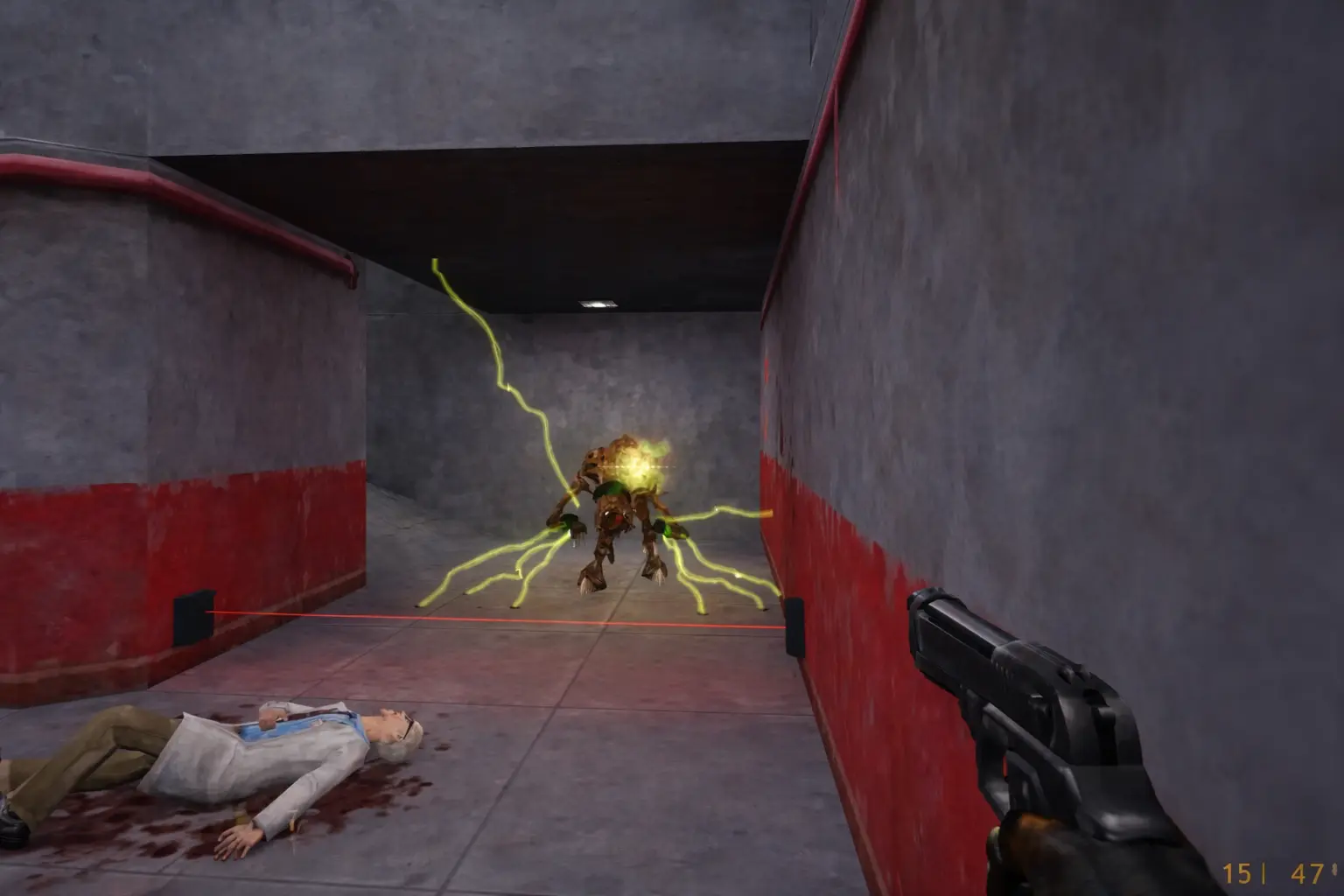
Half-Life grabbed me from the start and never really let go. I spent weeks getting through Black Mesa before I finally reached the last boss, the Nihilanth. I still remember that long tram ride into the facility and the feeling that something was about to go wrong. Once the experiment failed, the pace never dropped. What makes it even crazier is that the speedrun record today is just 25 minutes and 48 seconds. Back when I played it, I would have barely reached the giant three-headed tentacle in that time.
Half-Life was so special because it managed to tell the story without cutting away from the action. There were no long cutscenes. Everything happened around you while you kept moving forward, which felt new at the time. The level design was also outstanding. Black Mesa felt like a real place, not just a chain of levels, and each area introduced something different without breaking the pace.
The shooting was excellent, but the real innovation was in the mechanics around it. Enemy soldiers used cover, pushed your position, and threw grenades in ways that felt smarter than most shooters at the time. The game also mixed combat, puzzles, platforming, and scripted moments without losing momentum. That is what made Half-Life one of the best classic PC games and why it changed what people expected from a shooter.
Heroes of Might and Magic 3 – The Timeless Classic
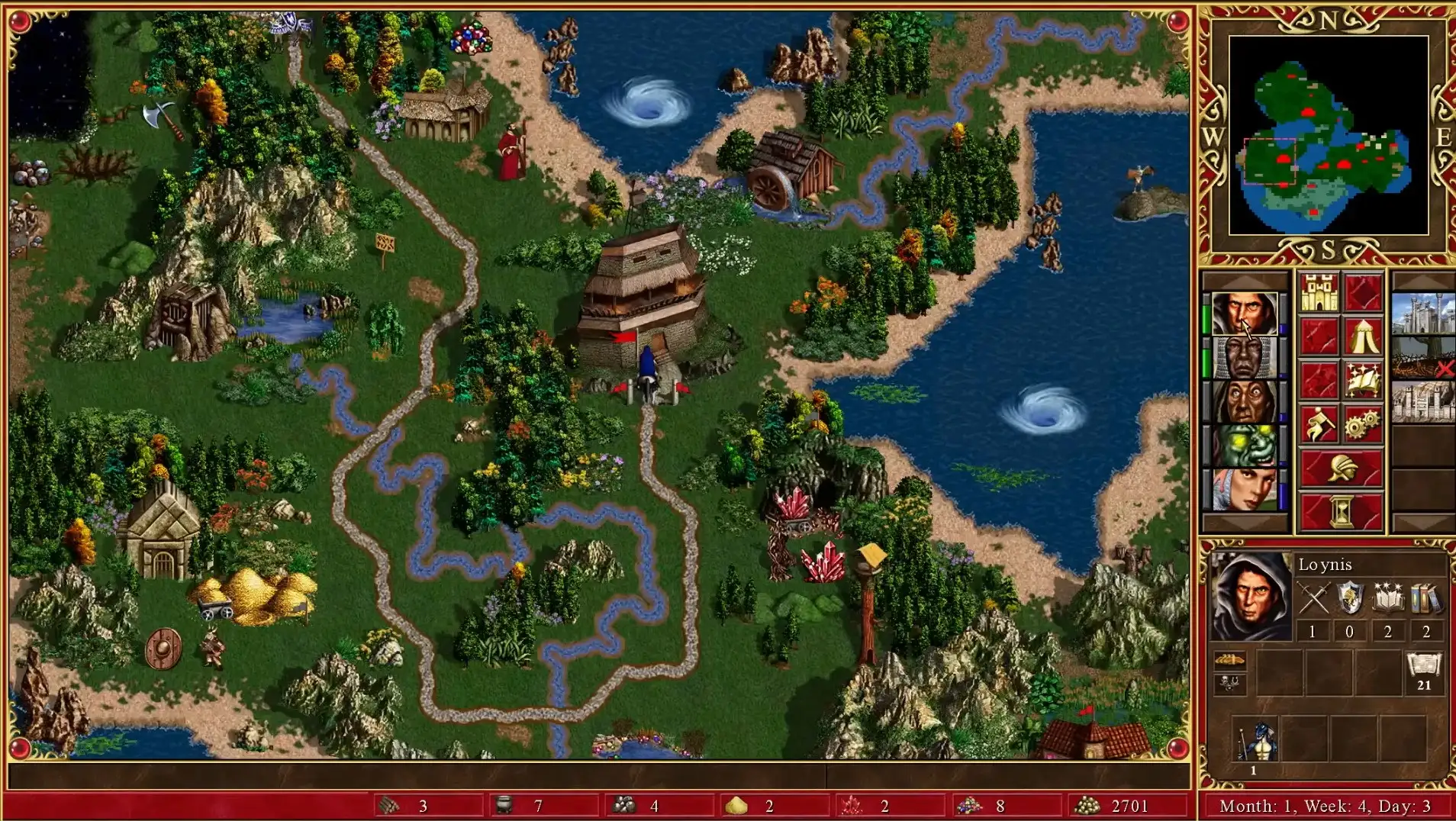
Heroes of Might and Magic 3 is the classic PC game that defines me most as a player. For me, it feels like chess. Timeless, perfectly structured, and the kind of game people keep returning to, no matter how many years pass. I still remember playing on a single computer with friends, taking turns while the others looked away. It sounds unusual today, but back then it was part of the fun.
What makes Heroes 3 so special is how different the factions feel while still staying balanced. Every castle has its own identity, its own strengths, and units with abilities that can completely change a battle. Positioning, speed, and retaliation all matter. One smart move or a well-timed spell can turn everything around. That is what gives the game its depth, even after countless matches.
The community is another big reason why Heroes 3 never faded away. Very few games have that kind of long-term support. Fans kept creating maps, mods, and even full expansions simply because they loved the game. Horn of the Abyss mod stands out here. It was built by fans, yet it introduced new factions and ideas with impressive creativity while still staying true to the original experience.
An HD Edition of Heroes III was released on Steam in 2015. It brought the game back in a clean form for modern systems and made it easier for a new generation to discover it. The sharper visuals looked good, but longtime players quickly noticed the missing expansions, which meant it was never the full Heroes III experience. Even so, it reminded people how strong the original game is and helped further popularise it among younger players.
Crazy Taxi – Pure Arcade Chaos on Four Wheels
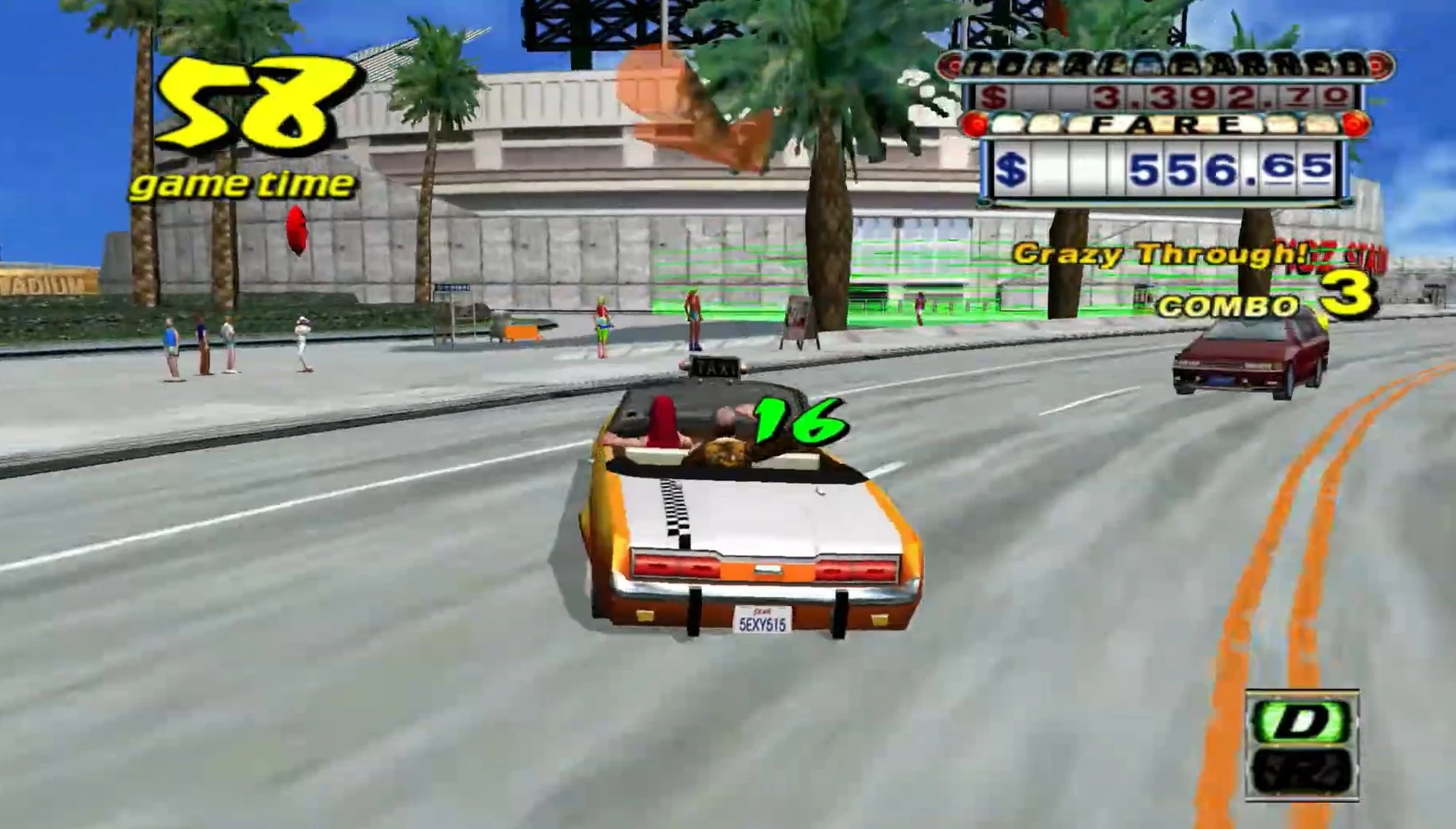
Crazy Taxi was one of those games that didn't try to be realistic for even a second. It just threw you into a city, gave you a car, and said go as fast as you can. No rules, no patience, just chaos. The first time I played it, I wasn't even trying to follow the roads. Sidewalks, stairs, parks, everything was fair game. Back then, I found the voice acting of the drivers extremely funny.
The idea was simple. Pick up passengers and get them to their destination before time runs out. Sounds easy, but it never really was. The faster and crazier you drove, the more money you earned. Sharp turns, near misses, huge jumps. The game rewarded you for taking risks and driving like a maniac.
What made Crazy Taxi stand out was the pace. There was no downtime. From the second the game started, you were under pressure. The timer kept ticking, passengers kept shouting, and you had to make split-second decisions all the time. It felt more like an arcade machine than a typical PC game, and that was exactly the point.
And then there was the soundtrack. The Offspring and Bad Religion blasting in the background made everything feel even more intense. It matched the gameplay perfectly. Loud, fast, and slightly out of control.
Age of Empires 2 – The King of Real-Time Strategy Games
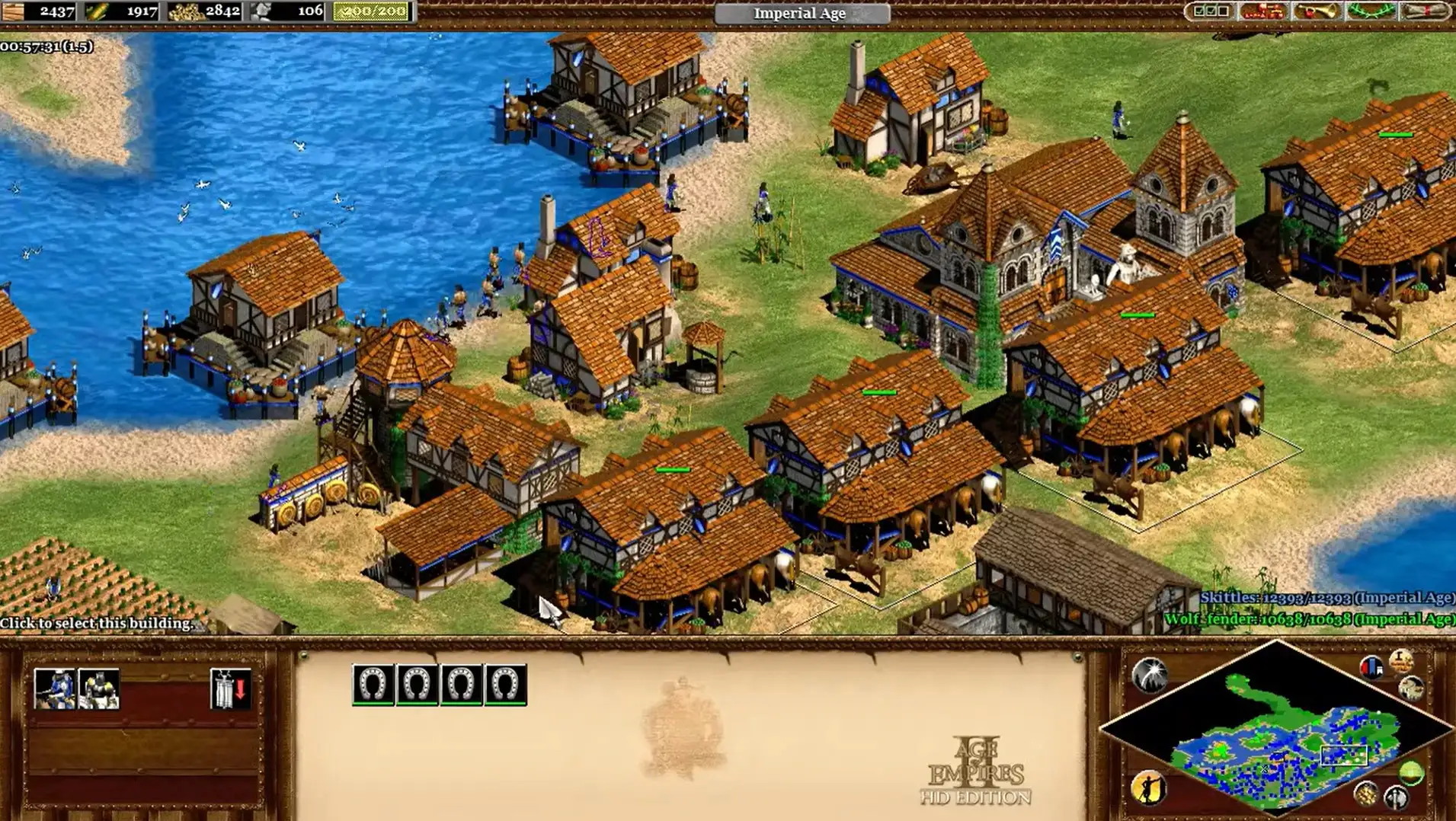
Age of Empires 2 was one of those games that made time disappear. You would start with a few villagers, tell them to chop wood or collect food, and suddenly half the day was gone. I still remember how satisfying it felt to move from one Age to the next. It gave every match a real sense of progress, like your tiny village was slowly turning into something powerful.
What put AOE2 among the best classic PC games was how easy it was to get into, but how much depth it had once you learned the basics. Gathering resources, building an army, defending your base, and trying to outsmart the enemy all came together so naturally. Every civilisation had its own strengths, and that made matches feel fresh even after countless hours.
The multiplayer is what pushed it even further. Winning against the computer was fun, but beating a friend after a long battle full of castles, knights, and trebuchets felt even better. Age of Empires 2 is still one of the best examples of a classic computer game that never really got old.
Worms Armageddon – The Game That Won Every House Party
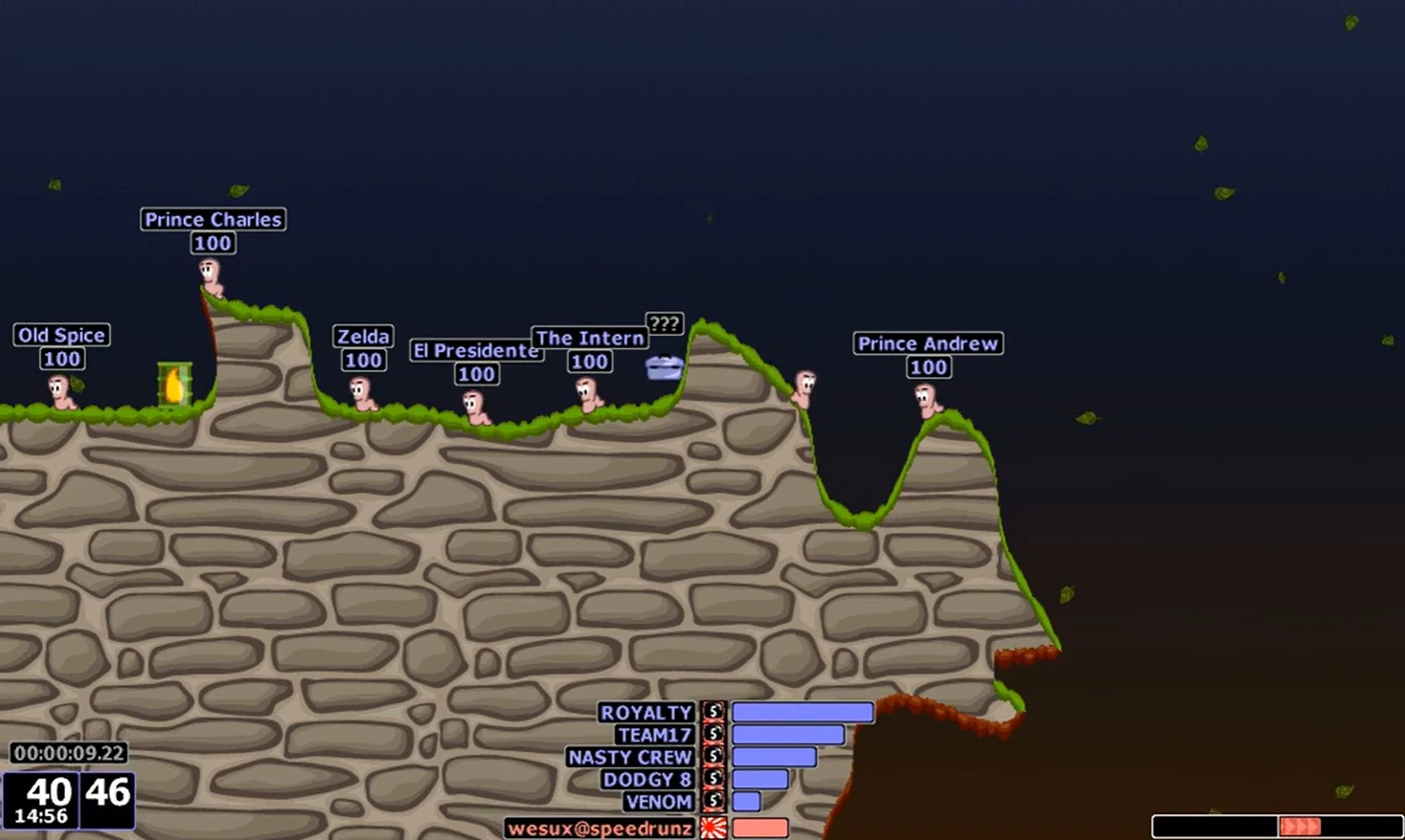
Worms Armageddon understood something a lot of multiplayer games still get wrong. Winning matters, but the real magic is in the chaos that happens on the way there. One badly judged bazooka shot, one mistimed backflip, one worm nudged into the water, and the whole match swings from genius to disaster in seconds. That is why it was so good at parties. It created stories almost by accident.
The setup was brilliantly simple. Two teams of armed cartoon worms, a destructible map, and a weapons list that looked like someone had raided a toy shop and a military warehouse at the same time. Grenades, sheep, airstrikes, holy hand grenades. Every turn felt like a chance to pull off something clever or something spectacularly stupid. Usually both.
What made Worms Armageddon a classic PC game was the balance between accessibility and skill. Anyone could pick it up in minutes, but getting truly good meant learning timing, angles, terrain, and when to stop being clever and just fire the shotgun. It was ridiculous, competitive, and endlessly replayable. For local multiplayer, it was one of the greats.
Diablo 2 – The Best Action RPG of All Time
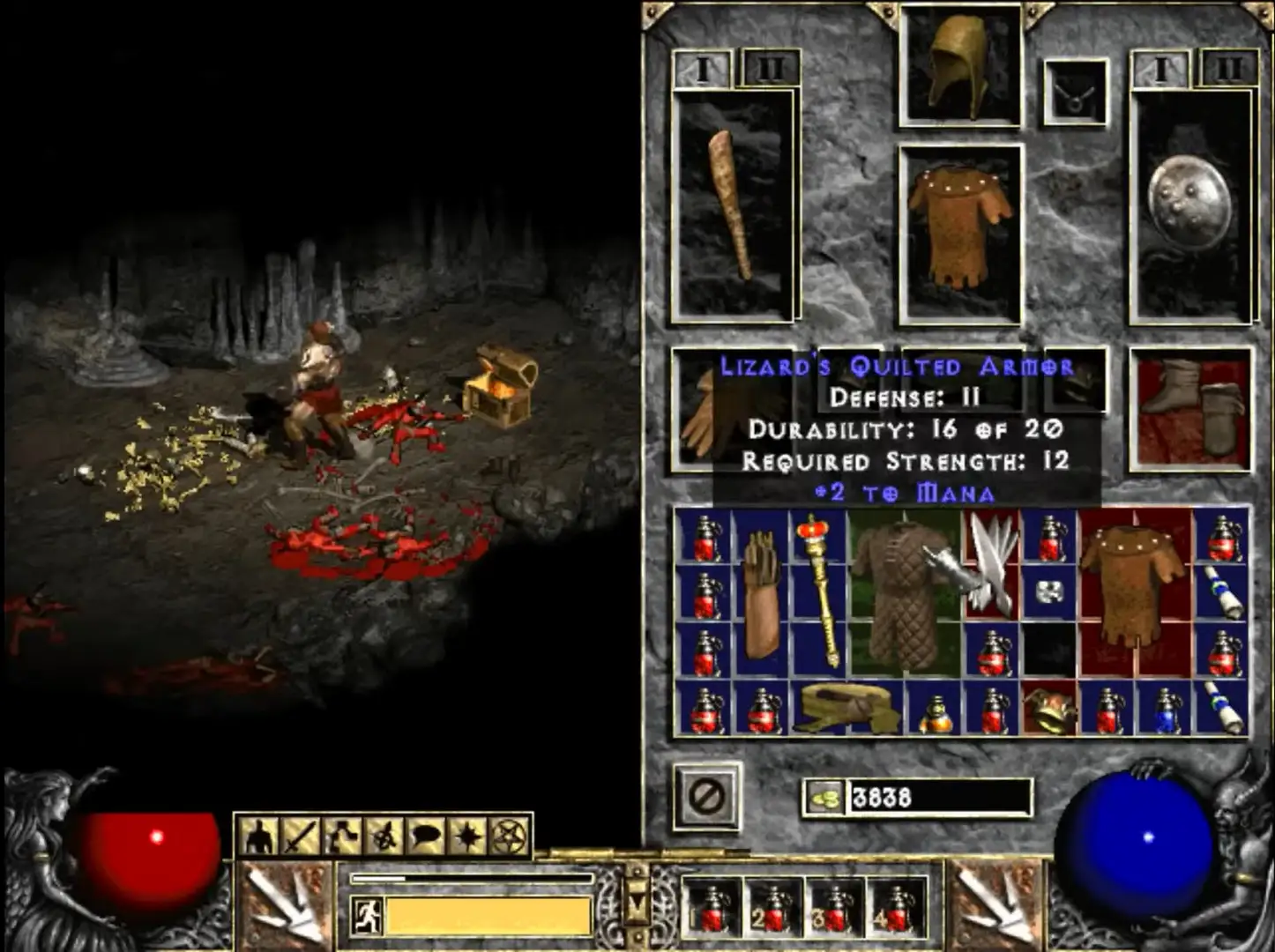
Diablo 2 is one of the most beloved video games among 90s kids. Nine out of ten people will tell you this was the game that hooked them on PC gaming. Endless nights of killing monsters and farming loot at its finest. Few classic PC games bring back as much nostalgia as Diablo 2. I was never as attached to this game as many other players were, but its quality and influence are impossible to deny.
The game took the hack-and-loot formula and gave it real weight. You pick a class, move through dark fantasy regions, clear monsters, finish quests, and chase better gear at almost every step. The original game launched with five classes: Amazon, Barbarian, Necromancer, Paladin, and Sorceress. Lord of Destruction later added Assassin and Druid, which pushed the range of builds even further.
The core loop was brutally simple and hard to put down. Fight through acts, level up, spend skill points, improve your build, and keep hunting for stronger weapons, armor, and rare drops. Randomized areas helped each run feel a little different, which gave the game its replay value long before that became standard for loot-driven RPGs. Diablo 2 was easy to understand at the surface, but the class design, item hunt, and long-term character planning gave it much more depth than most games in the genre.
The Sims – A Video Game World That Felt Real
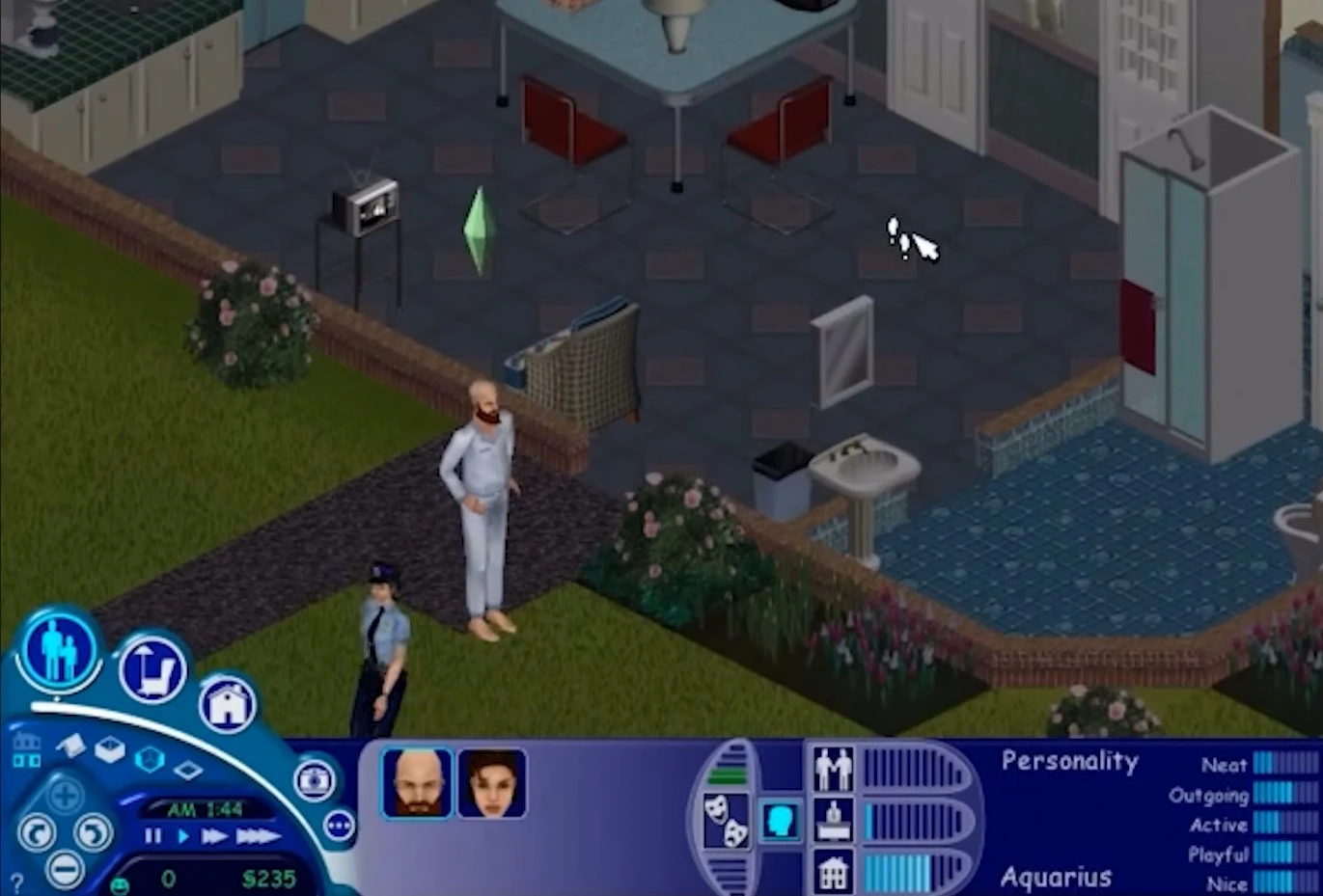
The Sims turned everyday life into a sandbox and somehow made it completely absorbing. You were not saving the world or fighting aliens. You were building kitchens, ruining relationships, setting carpets on fire, and forgetting to put a door near the toilet. It sounded mundane on paper. In practice, it was brilliant.
What made it hit so hard was how open it felt. There was no fixed win state, no clean ending, just a constant stream of tiny dramas you created for yourself. That freedom made it easy to lose hours to it. You would start by buying a sofa and end up micromanaging an entire fake family at two in the morning. Very few computer games understand compulsion that well.
For a lot of girls who grew up gaming on PC, this was the favourite, and that was a big part of its impact. The Sims pulled in an audience the industry had spent years underestimating, with female players making up a striking share of its fanbase. It was smart, funny, cruel in small ways, and far more influential than it looked at first glance.
Harry Potter and the Sorcerer's Stone – A Kid's Dream of Magic
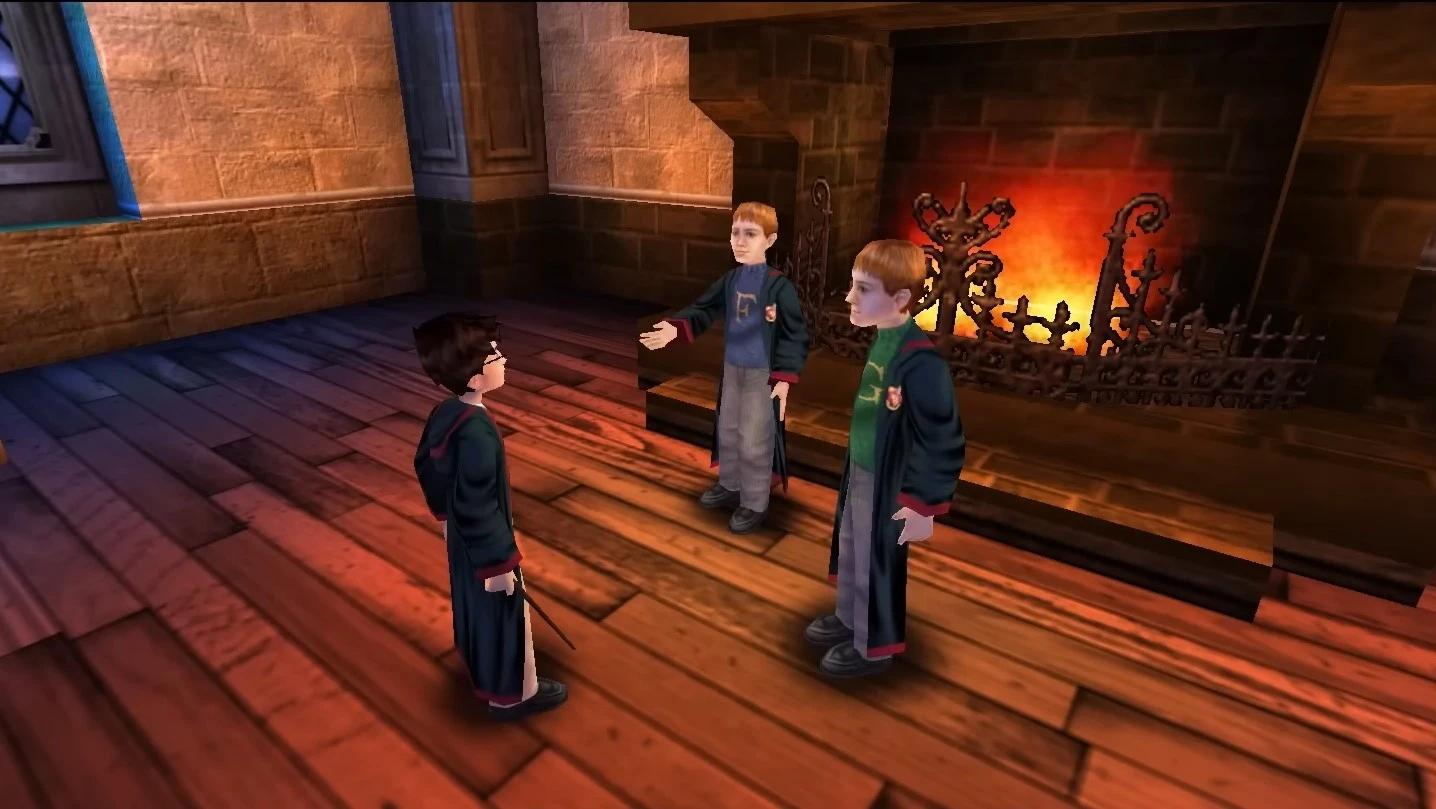
Before Hogwarts Legacy, this was the game that let an entire generation properly wander around Hogwarts. That was the real hook. You were learning spells, hunting for Bertie Bott's Beans, poking around secret passages, and treating every corridor like it might hide something useful. It did not need huge systems or complicated combat. For most players, simply getting to exist inside that world was enough.
What made the PC version work was its sense of place. The castle felt big, slightly mysterious, and full of distractions. One minute you were in a lesson, the next you were flying after a remembrall or trying not to mess up a platforming section over a bottomless drop. It was a simple game, sometimes a little clumsy, but it understood exactly what fans wanted to see and hear. Even the music helped sell the illusion, which is probably why it picked up an AIAS nomination for original musical composition.
It was never the deepest adventure game on PC, and it did not need to be. Harry Potter and the Sorcerer's Stone succeeded because it captured the fantasy better than the mechanics probably deserved. For a lot of kids, this was Hogwarts before modern games had the budget to build it properly. That alone made it memorable enough to earn a place among the best classic video games on PC and consoles.
Grand Theft Auto: Vice City – A Chance to Be a Criminal
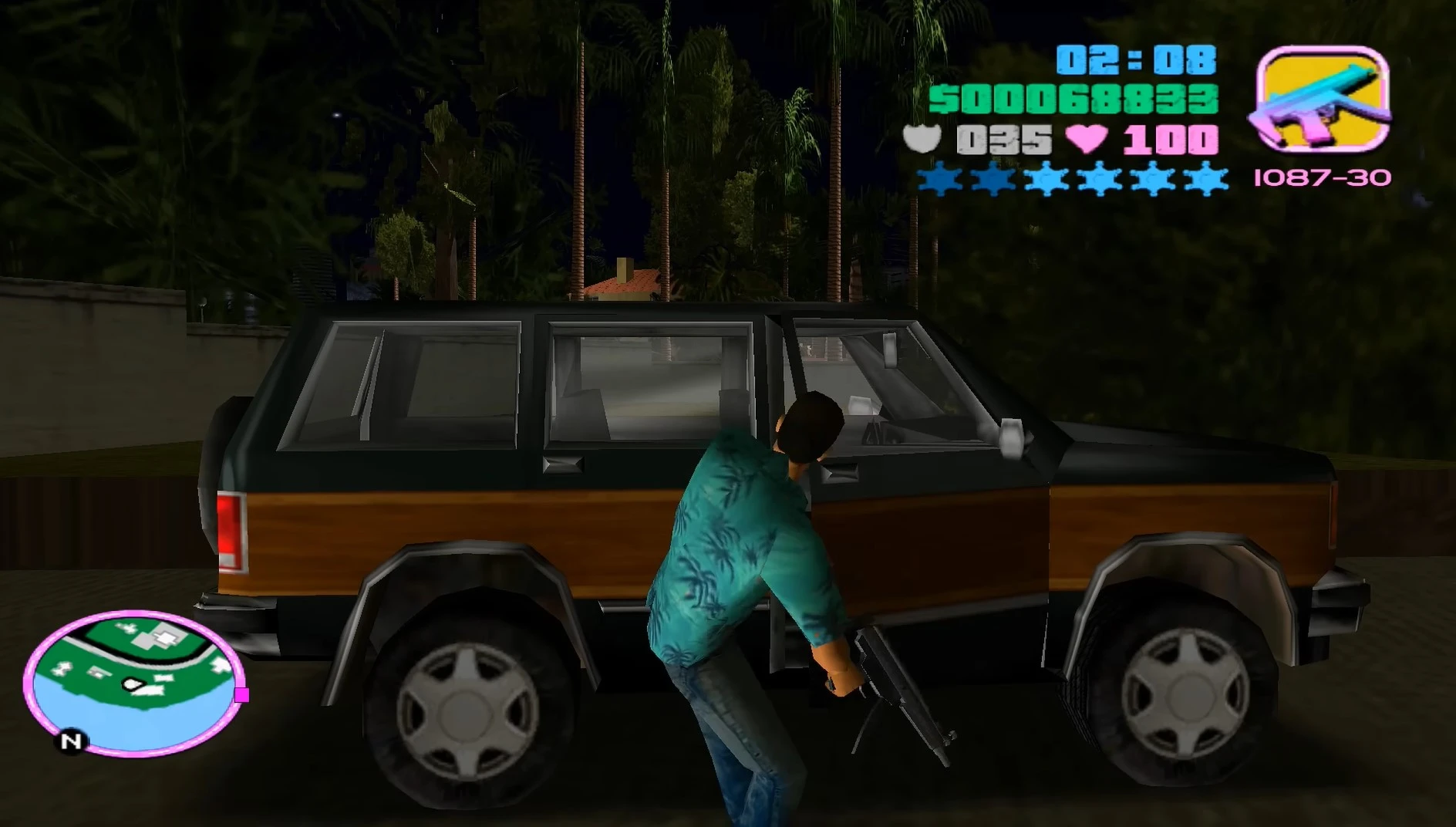
Vice City is the moment Grand Theft Auto stopped feeling like a clever sandbox and started feeling like a full-blown crime fantasy. It took the open-world freedom of GTA III, poured it into a sun-soaked version of 1980s Miami, and came back with something louder, sleazier, and far more confident. Tommy Vercetti's rise through the city's criminal food chain gave the whole thing real momentum, but the bigger hook was always the atmosphere. Few games have sold a setting this hard.
What still makes it special is how completely it commits to the bit. The pastel suits, the neon skyline, the radio stations, the fake adverts, the absurd violence, all of it works together. Vice City does not just borrow from Scarface-era excess. It builds an entire playable mood out of it. That is why people still rate it among the strongest games in the series. It is not the biggest GTA, but it is the one with the clearest identity.
Counter-Strike 1.6 – The Shooter That Became an Obsession
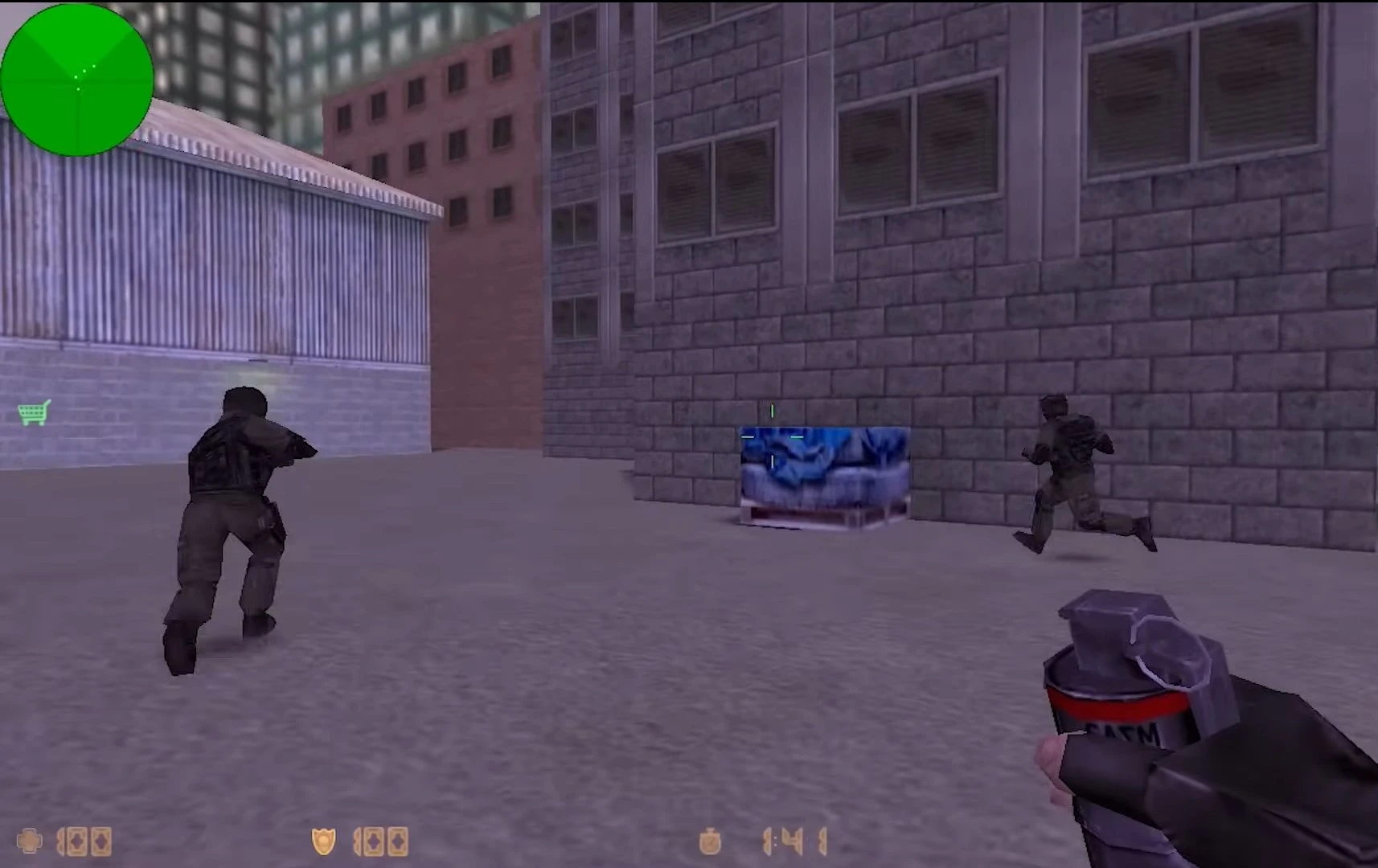
Counter-Strike 1.6 won people over with clean rules, brutal clarity, and the constant feeling that one bad decision could ruin an entire round. No respawns, no nonsense, no room to switch off for even a second. You bought your gear, picked a lane, listened for footsteps, and hoped your aim held up under pressure. That simplicity is exactly what made it so hard to stop playing.
Special for CS 1.6 was how little wasted motion it had. The maps, like Dust and Inferno, were built for repetition in the best way. You learned angles, timings, recoil, and grenade spots until matches stopped feeling random and started feeling surgical. It rewarded discipline more than chaos, which gave every win a sharper edge than most shooters of its era.
Its real legacy is obvious now. Counter-Strike helped define competitive PC gaming long before esports became a polished industry, and Valve still describes the series as a competitive experience shaped by millions of players over more than two decades. That is not nostalgia talking. Very few shooters have ever been this exact, this tense, or this influential.
Max Payne 2 - The Noir Shooter with Slow Motion
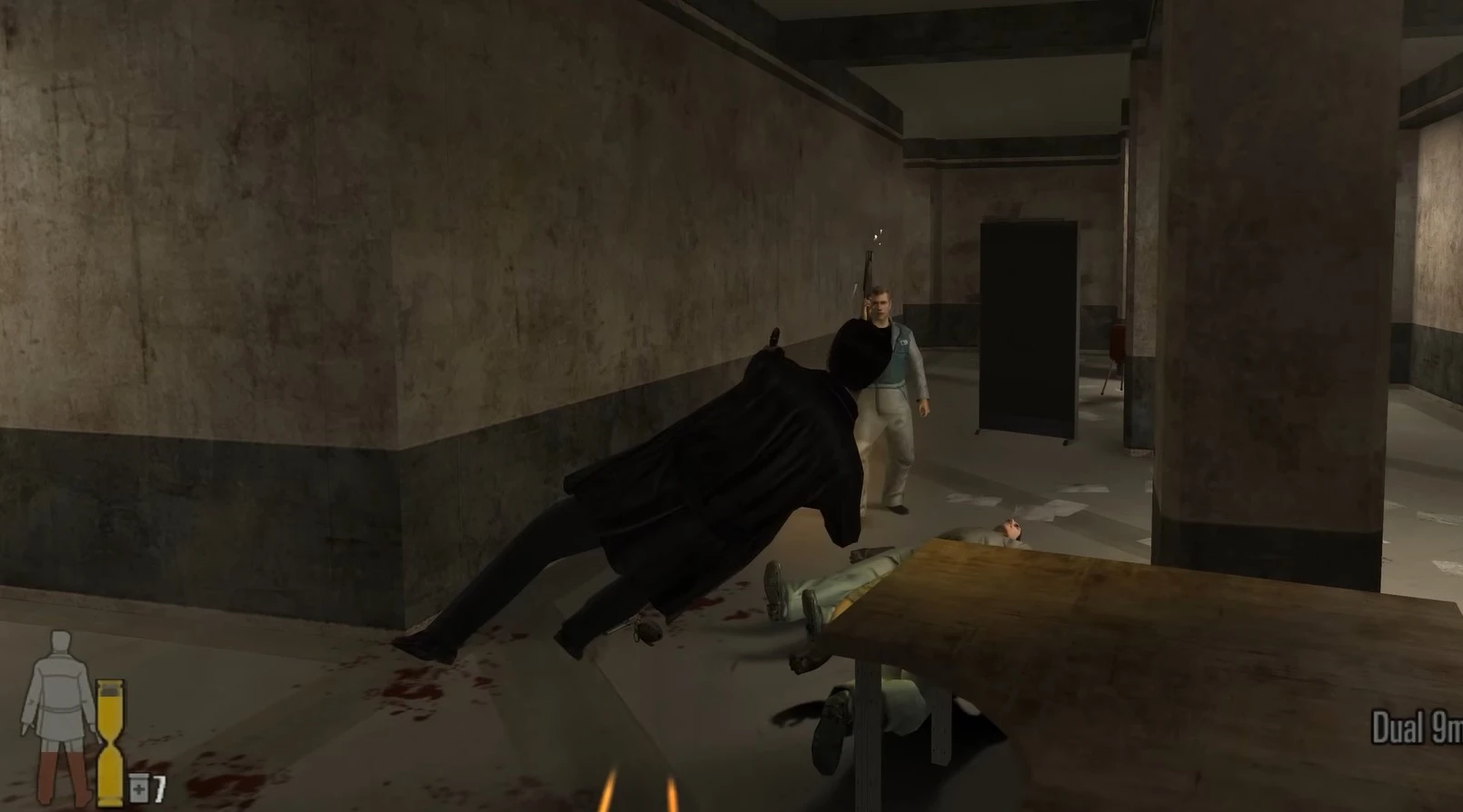
Max Payne 2 worked very well because it did not try to be big, but sharp instead. The shooting felt precise. The movement had weight. Bullet time was still the headline feature, but here it felt more polished and more deliberate. Every dive across a room looked dramatic. Every gunfight felt staged in the best possible way.
What gave the game its identity was the tone. It leaned hard into noir. Max sounded exhausted. New York looked miserable. The story kept pushing him deeper into something bitter and tragic. That mood carried the whole thing. It made even simple corridor shootouts feel heavier than they should have.
It is also one of those rare sequels that improved the feel of the original without losing its character. The game was short, and it never became a huge commercial hit, but that never really damaged its reputation. Max Payne 2 still feels like one of the most stylish shooters PC gaming produced in that era.
Warcraft III: The Frozen Throne - The Beginning of DotA
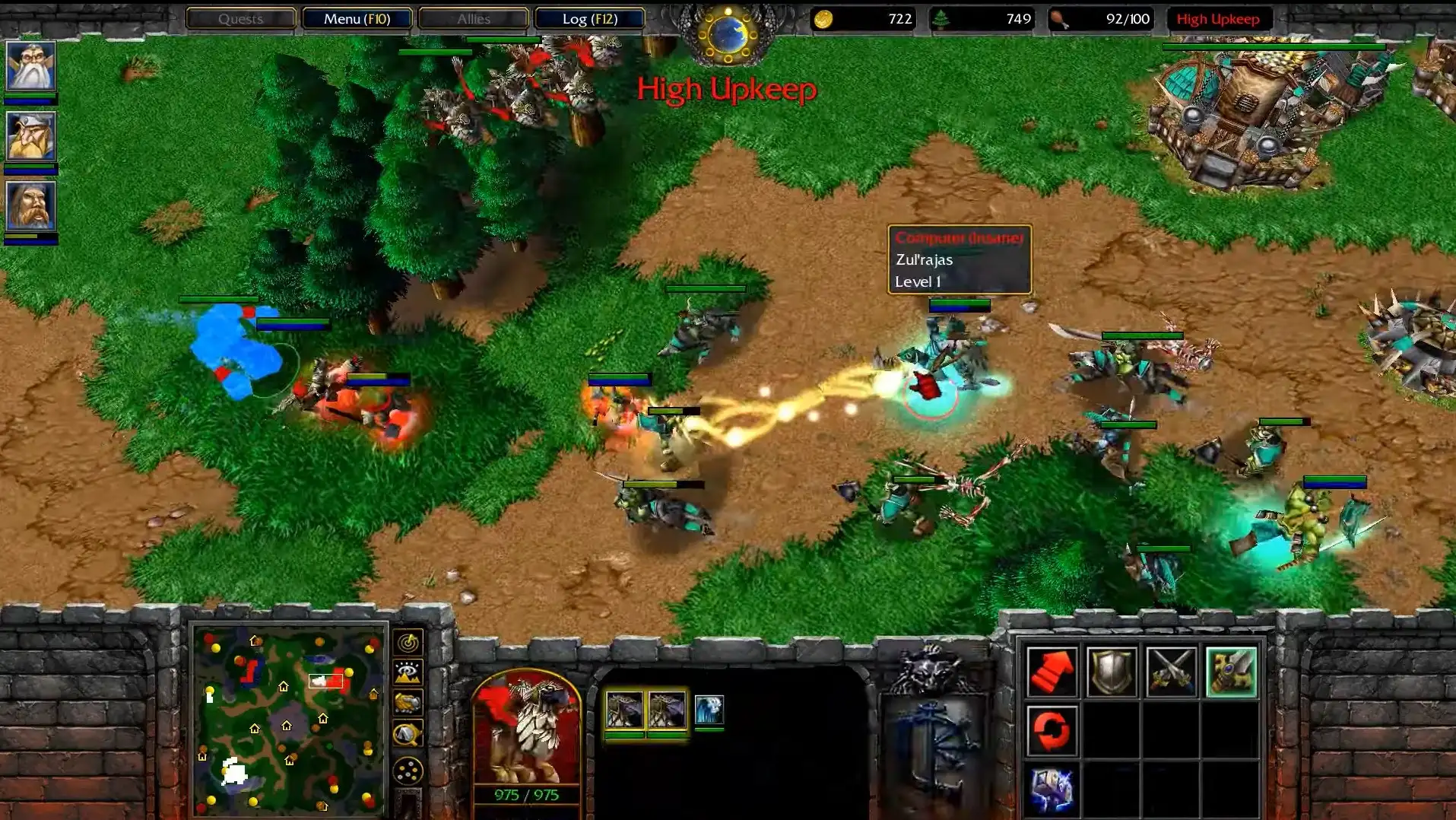
Warcraft III: The Frozen Throne felt like Blizzard taking an already great RTS and pushing it further in every direction that mattered. The campaign had more confidence. The hero-based design felt better. Multiplayer gained new units, neutral heroes, and more room for clever play. The expansion landed so well because it did not try to rebuild Warcraft III, but to make the whole experience richer instead.
A big part of its reputation comes from the campaign. Arthas, Illidan, Kael'thas, and Maiev gave the story real weight, and Blizzard was smart enough to let the missions do more than the usual base-building routine. The result felt more varied and more dramatic than most strategy games of that era. It also helped lay story foundations that Blizzard later used in World of Warcraft, which says a lot about how important this expansion was for the wider series.
It matters for one more reason. The Frozen Throne helped turn Warcraft III's custom map scene into something huge, and DotA became the most important result of that. DotA grew out of Warcraft III modding and was updated for The Frozen Throne, before going on to shape what became the MOBA genre. That alone gives this expansion a place in PC gaming history.
Fable – When Your Choices Really Mattered
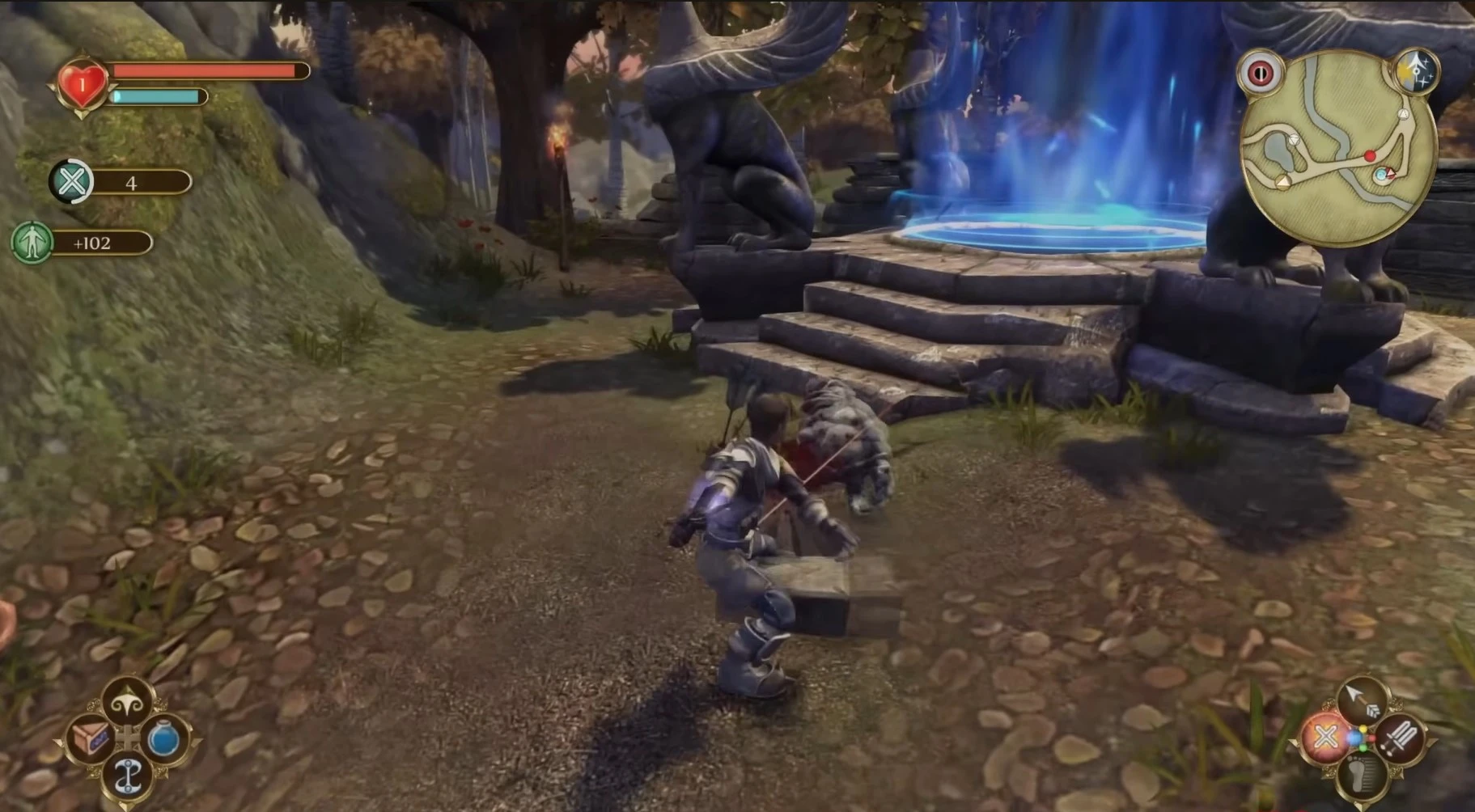
When Fable came out, it felt different from most RPGs around it. Albion was framed as a fantasy setting, but the real pull was the life of the main character. You begin as a boy whose life is torn apart, then watch him become something shaped by your choices. Hero, villain, or a figure stuck somewhere in the middle, that path felt personal in a way few games managed at the time. Progress was not hidden behind numbers alone. The character grew older, picked up scars, changed in appearance, and carried the marks of the player's decisions. Back then, that landed hard.
Combat kept things moving without turning into a mess. Melee weapons, bows, and spells all had their place, and switching between them gave fights enough energy to stay fun. The role playing systems were simple to grasp, which helped the whole game feel inviting instead of heavy. Away from battle, the morality system gave the experience its identity. People responded to what you did. Your look changed with your behavior. Even smaller choices had a visible effect on who your character became.
Some parts feel more basic now, especially next to newer RPGs, yet Fable still holds its place among the best classic PC games. Its humor, charm, and big ideas gave it real personality. In 2004, very few games made growth feel so visible and so closely tied to the player.
World of Warcraft - A Global Gaming Phenomenon
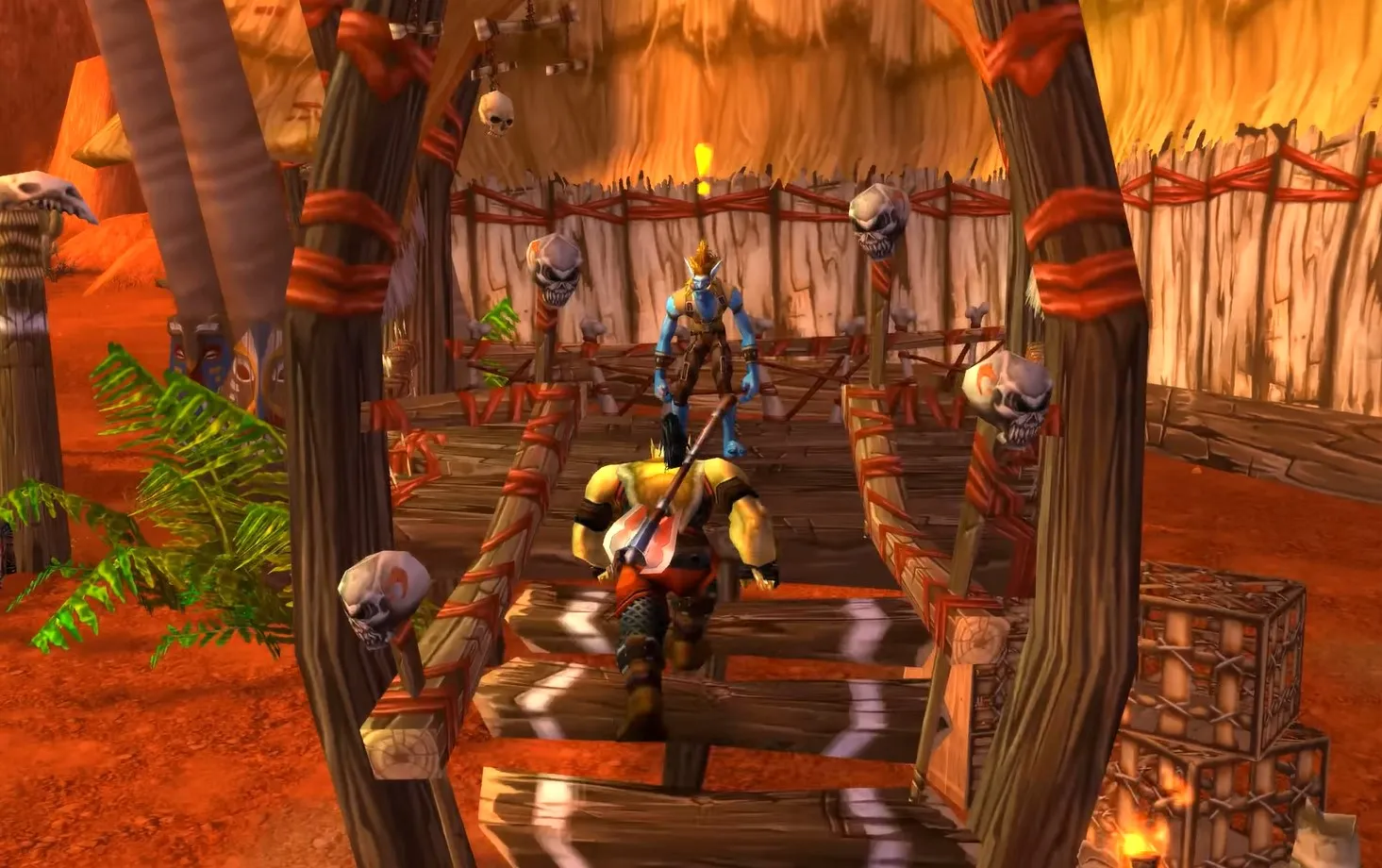
I still remember the first time I launched World of Warcraft. I made a fresh orc warrior, walked out into Durotar, killed my first mob, looted it, and felt it instantly. In that small moment, I knew I had found the game I had been waiting for all along. It was love at first sight. Durotar itself was part of the early Horde setup, with orcs building their future there after settling the harsh region under Thrall.
The beauty of World of Warcraft was how clear its core loop felt from the start. You picked a faction, Horde or Alliance, chose a race and class, then began the climb. You leveled through quests, travel, combat, and dungeons, learned your role, got stronger gear, and slowly moved toward endgame. Once you got there, the game opened up even more. PvE was about dungeons, raids, bosses, loot, and group coordination. PvP gave you battlegrounds, arenas, and the constant faction tension that made every rivalry feel bigger.
World of Warcraft did not invent the MMORPG, but it was the game that pushed the genre into the mainstream on a scale nobody could ignore. It took online role playing, cleaned up the rough edges, and turned it into something millions of people could understand and obsess over. Blizzard announced in 2010 that the game had passed 12 million subscribers worldwide. Guinness later recognized it as the best selling MMO. That kind of reach turned WoW into far more than a classic PC game. It became a global phenomenon, a cultural event, and the benchmark every MMO after it had to live with.
Need for Speed Most Wanted - The Series at Its Absolute Best
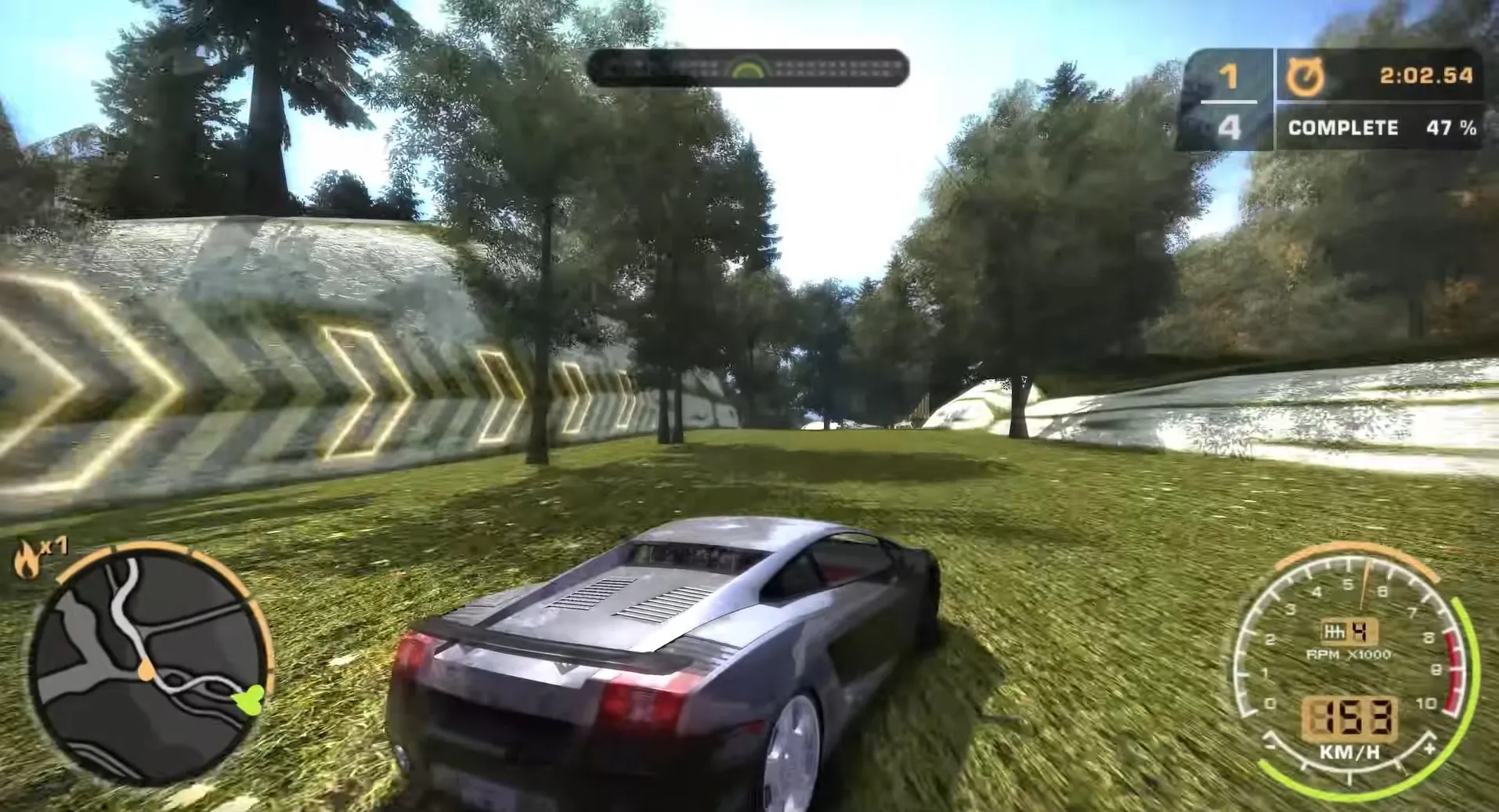
Need for Speed Most Wanted took everything that made arcade street racing exciting and packed it into a faster, sharper career mode. You raced through Rockport, climbed the Blacklist, earned cash, upgraded your cars, and tried to take back the BMW M3 GTR stolen by Razor. That structure gave the game constant momentum. Every race felt like it mattered.
The sound of Josie Maran's voice and her opening words are still burned into my brain. "Make sure you do all your racing in the game. On the streets, drive safely and responsibly and wear your seat belt." It felt like the perfect warning before the action kicked off every time I started the game.
Police chases were a huge part of the experience, and they changed the whole mood. Heat levels, roadblocks, spike strips, pursuit breakers, and long escapes made the action feel bigger than a standard street racer. That is why Most Wanted stayed in people's heads.
Most Wanted mixed tuners, muscle cars, exotic cars, and police pursuit action into one cleaner package. That is why many players still prefer it over Underground 2. The comparison matters, but the bigger point is simple. Most Wanted had the better pace, the stronger identity, and one of the most addictive racing loops of its era.
Criteria Used to Determine the Best Classic PC Games
No classic PC games list can ever be 100 percent unbiased. Personal taste always gets involved at some point, especially with games people grew up with. Still, I tried to keep that side under control and lean on something more solid. I used my own experience after nearly three decades of playing video games, and I also kept in mind the opinions that show up again and again across the wider gaming community. That felt like the fairest way to approach it.
- Long term impact - I gave more weight to games that left a real mark on PC gaming and influenced the titles that came after them.
- Gameplay quality - A game had to be genuinely fun to play, not just important on paper. Strong mechanics always mattered more than nostalgia alone.
- How well it aged - Some classics are still easy to return to years later. That counted for a lot.
- Innovation for its time - I looked at how bold a game felt when it came out and whether it brought something fresh to the genre.
- Cultural reputation - I considered how often a game still gets mentioned, recommended, replayed, and discussed in gaming circles.
- Replay value - The best classic PC games usually gave players a reason to come back, either through freedom, challenge, multiplayer, or different ways to play.
- Atmosphere and identity - Some games stay alive because they had a distinct mood, style, or tone that people never forgot.
- Personal experience - I did leave room for the games that truly felt special when I played them, because a ranking like this would feel empty without that human side.
Honorable Mentions That Still Deserve Attention
I should say one thing before this section starts. I did not include modern classics such as The Witcher 3 or Red Dead Redemption 2. Those games earned huge praise almost right away and became modern landmarks, but this list was meant to focus on older PC classics.
It is very hard to make a classic PC games ranking like this without leaving out something important. Some games miss the final cut even when they fully deserve respect. Here are a few classic video games that did not make my main list, yet still belong in the conversation.
Deus Ex (2000) - A rare game that blended shooter mechanics, RPG systems, stealth, and player choice in a way that felt far ahead of its time. It gave players real freedom in how they approached missions, and that made it unforgettable.
Gothic (2001) - A gritty, uncompromising RPG that dropped players into a harsh penal colony where every step toward survival had to be earned. Its deeply immersive world, living NPC daily routines, and unforgiving lack of hand-holding created a uniquely raw atmosphere that remains a benchmark for dark fantasy games.
Resident Evil 2 (1998) - One of the defining survival horror games of its era. It stood out for its tension, atmosphere, and the way it made every corridor, bullet, and encounter feel important.
Baldur's Gate (1998) - A landmark RPG that helped shape what story driven fantasy games on PC could be. It brought deep party building, strong writing, and a huge sense of adventure that still holds up.
Re-Volt (1999) - A memorable RC car racing game that turned ordinary places into chaotic little tracks. Its toy cars, weapons, colorful courses, and tricky handling gave it a charm that still makes many PC players remember it fondly.
Need for Speed Underground 2 (2004) - This was one of the purest expressions of early 2000s street racing culture. Free roaming, tuning, customization, and style gave it a distinct identity that many players still love.
Grand Theft Auto San Andreas (2005 PC) - Few games offered this much freedom, variety, and personality in one package. Its huge world, memorable characters, and sheer amount of things to do made it feel enormous for its time.
Unreal Tournament (1999) - Fast, aggressive, and built for multiplayer chaos, it became one of the great arena shooters. LAN sessions and instant action gave it a legendary place in PC gaming history.
The Elder Scrolls III: Morrowind (2002) - Morrowind gave players a type of open world freedom that felt almost limitless back then. Its strange setting, deep lore, and lack of hand holding made exploration feel genuinely rewarding.
Mortal Kombat 3 (1995) – It was the best-selling home video game in the United States in 1995. The Windows OS version was released in September 1996. Its fast pace, brutal style, and huge popularity made MK3 an easy game to remember.
Frequently Asked Questions
Why are some classic games missing from the list?
Because a ranking like this can never be fully complete. Once you try to cover decades of PC gaming, some important titles will always end up outside the final selection. I tried to balance personal experience, long term impact, replay value, and the reputation these games still have among the majority of PC players.
Why are modern classics like The Witcher 3 not included?
Because this ranking was built around older PC classics. Games like The Witcher 3 and Red Dead Redemption 2 belong in a different era, even if they became classics very quickly after release. Modern classic video games will be covered in another section of the website.
Can I still play these games today?
Yes, many of them are still easy to find. Some are on Steam, some are on GOG or Battle.net, and a few also have console versions or re-releases on PlayStation and Xbox stores. Availability can vary by game and region.
Is this list based on sales numbers alone?
No. Commercial success matters, but it was never the main factor. I cared more about how good the game actually was, how much influence it had, how well it aged, and how strongly it is still remembered today.
Why is there usually only one game from a franchise on the list?
Because I wanted the ranking to stay varied. If I loaded it with multiple entries from the same series, too many other genres and studios would disappear from the final list.
Are these games still worth playing if I did not grow up with them?
Yes, but some are easier to return to than others. A few still feel smooth right away, while others need a bit of patience because of older controls, visuals, or interface design.